
Electrical Fuses Blog
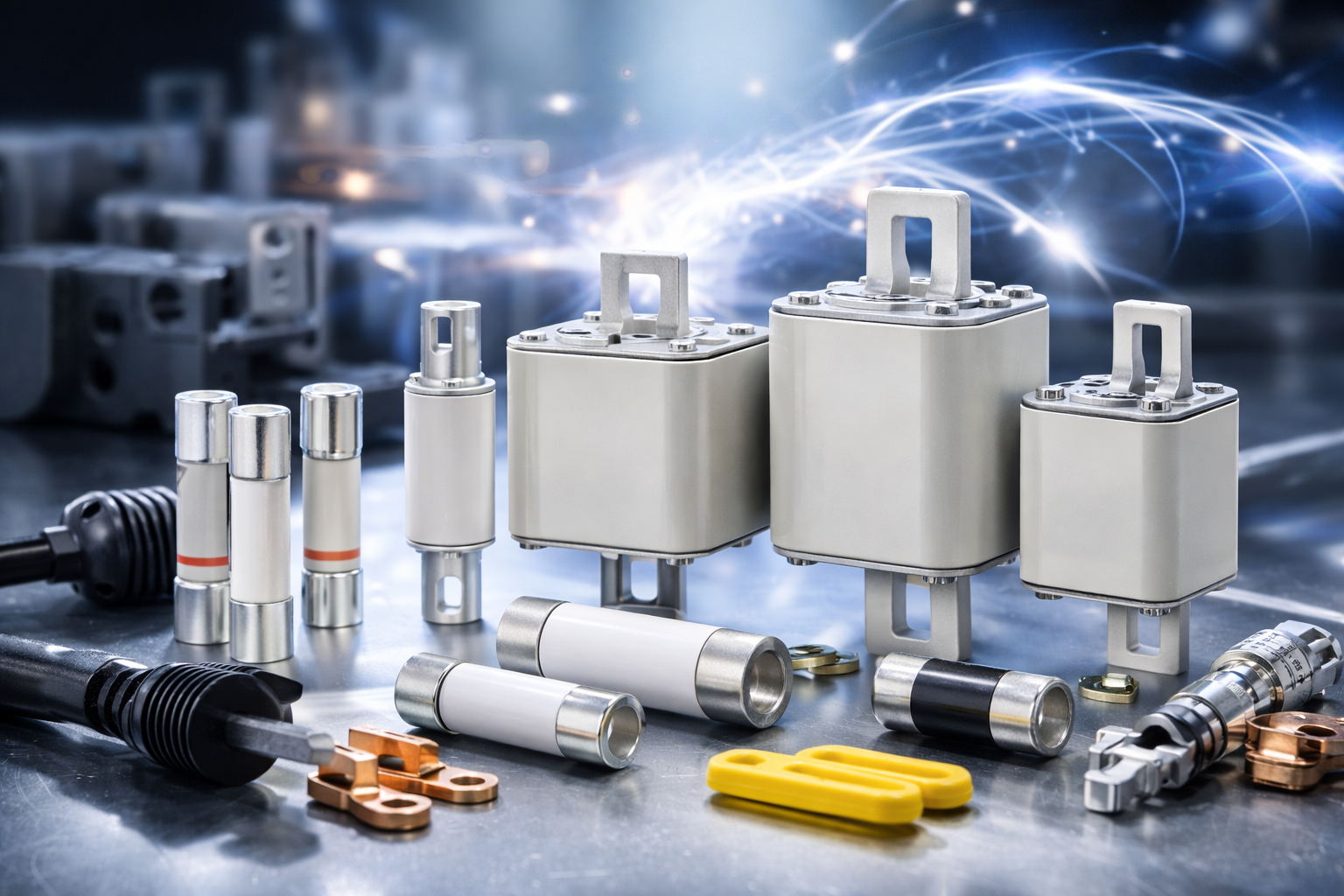
Eaton Bussmann Series Electrical Fuses – Blog & Fachwissen
Im Eaton Bussmann Series Electrical Fuses Blog finden Sie fundiertes Fachwissen rund um elektrische Sicherungen, Überstromschutz und moderne Schutzkonzepte für industrielle und gewerbliche Anwendungen. Diese Kategorie bündelt alle Blogartikel, technischen Beiträge und Praxisguides zu den Sicherungssystemen und Serien von Eaton Bussmann.
Eaton Bussmann zählt weltweit zu den führenden Herstellern von elektrischen Sicherungen, und ihre Serien stehen für Sicherheit, Normkonformität und höchste Zuverlässigkeit in anspruchsvollen elektrischen Systemen.
Was Sie im Eaton Bussmann Sicherungen Blog erwartet
Unsere Blogbeiträge helfen Ingenieuren, Einkäufern, Technikern und Planern dabei, die richtige Sicherungslösung zu finden und technische Zusammenhänge besser zu verstehen.
Themenschwerpunkte dieser Kategorie:
-
🔌 Überblick über Eaton Bussmann Sicherungsserien
-
⚙️ Unterschiede zwischen UL-, IEC- und Spezial-Sicherungen
-
📘 Technische Erklärungen zu Kennlinien, Auslöseverhalten & Bemessungswerten
-
🏭 Anwendungstipps für Industrie, Maschinenbau & Energieverteilung
-
🚗 Beiträge zu EV-, DC- und Hochvolt-Sicherungen
-
🛠 Best Practices für Auswahl, Installation und Wartung
Alle Inhalte sind praxisnah, verständlich aufbereitet und technisch fundiert.
Eaton Bussmann Sicherungsserien im Fokus
Der Blog behandelt regelmäßig verschiedene Eaton Bussmann Series Electrical Fuses, darunter:
-
Industrial Fuses
-
North American (UL) Fuse Series
-
IEC Sicherungsserien
-
High Speed & Semiconductor Fuses
-
EV & DC Sicherungen
-
Supplementary & Specialty Fuses
So erhalten Sie einen umfassenden Überblick über das Eaton Bussmann Portfolio und dessen Einsatzmöglichkeiten.
Fachwissen für sichere elektrische Systeme
Elektrische Sicherungen sind ein zentraler Bestandteil jeder sicheren Stromversorgung. Der Eaton Bussmann Series Electrical Fuses Blog unterstützt Sie dabei, Risiken zu minimieren, Normen einzuhalten und die Lebensdauer Ihrer Anlagen zu verlängern.
Ganz gleich, ob Sie Grundlagenwissen suchen oder tief in spezielle Sicherungsserien eintauchen möchten – hier finden Sie relevante, aktuelle und suchmaschinenoptimierte Inhalte rund um Eaton Bussmann Electrical Fuses.
👉 Jetzt Blogartikel entdecken und Ihr Wissen über Eaton Bussmann Sicherungsserien gezielt erweitern.
- Details
- Category: Electrical Fuses Blog
 eaton-bussmann-series-medium-voltage-fuses-ca132062en-us.pdf | [MV Fuses] | 5878 kB |
| eaton-bussmann-series-nh-fuses-catalogue-ca132063-en-gb.pdf | [NH Fuses] | 10748 kB |
Electrical Fuses in Kaltenkirchen: Reliable Protection for Homes and Businesses
Electrical fuses play an essential role in protecting electrical installations in residential properties, commercial buildings, and industrial facilities. For anyone searching for Electric Kaltenkirchen, understanding electrical fuses, fuse replacement, and modern circuit protection is an important step towards maintaining a safe and reliable electrical system.
Whether you are renovating a house, maintaining an apartment, or managing a business in Kaltenkirchen, correctly selected electrical fuses help protect wiring and equipment against excessive current. Professional inspections and suitable protective devices can reduce the risk of overheating, equipment damage, and electrical fires.
Why Are Electrical Fuses Important?
Electrical fuses are protective devices designed to interrupt the flow of electricity when the current exceeds a specified limit. This helps protect electrical circuits from overloads and short circuits.
In Kaltenkirchen, reliable electrical protection is important for homes, offices, shops, workshops, and industrial properties. Properly selected fuses support the safe operation of lighting systems, household appliances, machinery, and other electrical equipment.
The correct fuse depends on several technical factors, including the rated current, operating voltage, cable capacity, and intended application. Using an unsuitable fuse can compromise the safety of the entire electrical installation.
Electrical Fuses for Residential Properties in Kaltenkirchen
Homeowners may need electrical fuse inspections when purchasing an older property, renovating a house, installing new appliances, or experiencing recurring electrical faults.
A properly designed fuse system helps protect household circuits and supports the reliable operation of everyday electrical equipment.
Common residential applications include:
-
Inspection of fuse boxes and electrical distribution boards
-
Replacement of defective fuse components
-
Assessment of older electrical installations
-
Protection for lighting circuits and electrical outlets
-
Evaluation of electrical systems during renovations
-
Upgrades to meet changing household electrical requirements
Older properties may have fuse systems that need professional assessment before additional appliances or electrical circuits are installed. A qualified electrician can determine whether existing protective devices remain suitable or whether modernisation is necessary.
Commercial and Industrial Electrical Fuses in Kaltenkirchen
Businesses depend on reliable electrical installations to operate equipment, machinery, lighting, and electronic systems. Offices, retail premises, workshops, and industrial facilities may require different types of electrical fuses depending on their electrical loads and operating conditions.
Suitable fuse protection helps safeguard wiring and connected equipment against excessive current. Regular inspections can also identify damaged components, unsuitable fuse ratings, and other potential electrical safety issues.
For commercial properties, effective electrical protection is particularly important because unexpected faults can interrupt operations and lead to additional costs.
When researching Electric Kaltenkirchen, businesses should consider both the quality of the protective devices and the technical suitability of the overall electrical installation.
Different Types of Electrical Fuses
Various fuse types are used in electrical installations according to their design and intended purpose. Understanding the main categories can help property owners recognise the components used in their electrical systems.
Cartridge Fuses
Cartridge fuses are enclosed protective devices used in a wide range of electrical applications. They are available in different ratings and designs, so replacement components must match the requirements of the circuit.
NH Fuses
NH fuses are commonly used in commercial and industrial electrical distribution systems. They are designed for applications involving higher current ratings and must be selected according to the technical specifications of the installation.
DIAZED and D-Type Fuses
DIAZED and other D-type fuse systems can still be found in older German buildings. Their suitability depends on the condition of the existing installation and the requirements of the electrical system.
Miniature Circuit Breakers
Miniature circuit breakers are not traditional fuses, but they provide a similar form of overcurrent protection. They automatically interrupt a circuit when specified conditions are exceeded and can generally be reset after the underlying fault has been resolved.
The appropriate protective device depends on the electrical installation, required breaking capacity, and applicable technical standards.
When Should Electrical Fuses Be Replaced?
A fuse may need replacement after operating because of an overload or short circuit. However, repeated fuse failures or frequently tripping circuit breakers may indicate an underlying electrical problem.
Warning signs include:
-
Repeatedly blown electrical fuses
-
Frequent power interruptions
-
Visible damage to fuse holders or electrical components
-
Unusual heat around electrical equipment
-
Burning smells near a distribution board
-
Recurring faults affecting connected appliances
The cause of a fault should be investigated before a replacement fuse is installed. Using a fuse with a higher rating simply to prevent it from blowing can compromise electrical protection and increase the risk of overheating or fire.
If these warning signs occur, a qualified electrician can inspect the circuit, identify the cause, and recommend appropriate repairs.
Choosing the Right Electrical Fuses in Kaltenkirchen
Selecting electrical fuses involves more than choosing a component that fits into an existing fuse holder. The fuse must provide suitable protection and be compatible with the electrical installation.
Consider the following factors when evaluating electrical fuse systems:
-
Correct current rating: The fuse must be suitable for the circuit and its wiring.
-
Technical compatibility: Voltage, fuse type, and operating characteristics must match the requirements of the installation.
-
Product quality: Protective devices should meet applicable technical and safety standards.
-
Professional assessment: A qualified electrician can determine whether the existing components are appropriate.
-
Condition of the installation: Older fuse boxes may require a broader safety inspection before replacement components are selected.
These considerations help homeowners and businesses in Kaltenkirchen maintain suitable protection for their electrical systems.
Electrical Fuse Maintenance and Safety
Regular inspection can help identify potential problems before they cause significant damage or unexpected interruptions. Fuse holders, distribution boards, and associated components should be assessed for deterioration, visible damage, and signs of overheating.
Maintenance is particularly important in older properties, commercial premises, and buildings where electrical systems have been expanded or modified.
If a fuse repeatedly operates, replacing it without identifying the cause may leave the underlying problem unresolved. Protective devices should never be bypassed, and work involving exposed or live electrical components must be handled by appropriately qualified professionals.
A professional inspection can establish the condition of the electrical installation and identify whether repairs or modernisation are required.
Modern Electrical Protection for Properties in Kaltenkirchen
Modern buildings often require electrical installations that can accommodate additional appliances, electronic systems, and new energy technologies.
Depending on the property, improvements may include updated distribution boards, suitable circuit protection, modern circuit breakers, and infrastructure for electric vehicle charging.
Before making changes, the capacity of the existing installation should be assessed, and the protective devices must be coordinated appropriately. A qualified electrician can recommend suitable solutions based on the property's electrical requirements.
Investing in appropriate protection helps improve reliability and prepares electrical installations for changing demands.
Conclusion: Reliable Electrical Fuses in Kaltenkirchen
Electrical fuses are an important part of maintaining safe and reliable electrical installations in homes, offices, and commercial buildings. Correct fuse selection, timely replacement, and regular inspections help protect wiring and equipment against overloads and short circuits.
For anyone searching for Electric Kaltenkirchen, understanding electrical fuses provides a useful starting point when assessing fuse boxes, investigating recurring faults, or planning electrical upgrades.
By prioritising technical compatibility, appropriate protective devices, and professional workmanship, property owners in Kaltenkirchen can help ensure that their electrical installations remain safe, reliable, and suitable for everyday use.
- Details
- Category: Electrical Fuses Blog
| eaton-bussmann-series-medium-voltage-fuses-ca132062en-us.pdf | [MV Fuses] | 5878 kB |
| eaton-bussmann-series-nh-fuses-catalogue-ca132063-en-gb.pdf | [NH Fuses] | 10748 kB |
Electrical Fuses in Bonn: Reliable Protection for Homes and Businesses
Electrical fuses play an essential role in protecting electrical installations in residential, commercial, and industrial buildings. For property owners searching for Electric Bonn, understanding the importance of electrical fuses, proper fuse replacement, and reliable circuit protection is a valuable first step towards maintaining a safe electrical system.
Whether you are renovating a house, maintaining an apartment, or managing a commercial property, choosing the correct electrical fuses helps protect wiring and equipment from excessive current. Professional inspection and appropriate electrical protection can also reduce the risk of overheating, equipment damage, and electrical fires.
Why Are Electrical Fuses Important?
Electrical fuses are safety devices designed to interrupt the flow of electricity when the current exceeds a specified limit. This helps protect electrical circuits against overloads and short circuits.
In Bonn, residential properties, offices, shops, and industrial facilities all depend on reliable electrical installations. Properly selected fuses contribute to the safe operation of lighting systems, household appliances, machinery, and other electrical equipment.
The correct fuse depends on several factors, including the circuit's rated current, voltage, cable capacity, and intended application. Selecting a fuse with an unsuitable rating can compromise the protection of the entire electrical installation.
Electrical Fuses for Homes in Bonn
Homeowners in Bonn may need electrical fuse inspections when purchasing an older property, renovating a house, upgrading appliances, or investigating recurring electrical problems.
A suitable fuse system helps protect household circuits and supports the safe operation of everyday electrical equipment.
Common residential applications include:
-
Protection for lighting circuits and electrical outlets
-
Inspection of fuse boxes and distribution boards
-
Replacement of defective fuse components
-
Assessment of older electrical installations
-
Electrical protection for modern household appliances
-
Safety checks during renovation and modernisation projects
Older buildings may contain fuse systems that no longer meet the requirements of modern electrical usage. A qualified electrician can assess whether the existing installation remains suitable or requires an upgrade.
Commercial and Industrial Electrical Fuses in Bonn
Businesses depend on reliable electrical infrastructure to maintain productivity and protect expensive equipment. Offices, retail premises, workshops, and industrial facilities may require different types of electrical fuses according to their operating conditions.
Suitable fuse protection can help prevent excessive current from damaging cables, machinery, and electrical distribution equipment.
Regular inspections are particularly valuable in commercial environments where an electrical fault could interrupt operations or create a safety risk. Professional assessment can help identify worn components, unsuitable fuse ratings, and potential weaknesses in an electrical installation.
For businesses searching for Electric Bonn, understanding electrical protection requirements is an important part of choosing suitable solutions for their premises.
Different Types of Electrical Fuses
Electrical installations use various fuse types depending on their design and intended application. Understanding the main categories can help property owners identify the components installed in their buildings.
Cartridge Fuses
Cartridge fuses are enclosed protective devices used in numerous electrical applications. They are available in different ratings and designs, making it important to select a compatible replacement for the specific circuit.
NH Fuses
NH fuses are commonly used in commercial and industrial distribution systems. They are designed for applications requiring higher current ratings and must be selected according to the electrical system's technical requirements.
DIAZED and D-Type Fuses
DIAZED and other D-type fuse systems can still be found in older German buildings. Their continued suitability depends on the condition, design, and safety requirements of the existing electrical installation.
Miniature Circuit Breakers
Miniature circuit breakers are not traditional fuses, but they provide similar overcurrent protection. Unlike conventional single-use fuses, these devices can generally be reset once the underlying fault has been identified and corrected.
Choosing the correct protective device requires consideration of the installation's electrical characteristics and applicable safety standards.
When Should Electrical Fuses Be Replaced?
A fuse may need replacement after it operates because of an overload or short circuit. However, a fuse that repeatedly blows or a circuit breaker that frequently trips may indicate a more serious electrical problem.
Look out for warning signs such as:
-
Repeatedly blown electrical fuses
-
Frequent interruptions to the power supply
-
Visible damage to fuse holders or electrical components
-
Unusual heat around electrical equipment
-
Burning smells near a distribution board
-
Unexpected electrical faults affecting appliances
The cause should always be investigated before replacing a fuse. Installing a fuse with a higher rating simply to prevent it from operating can create a serious safety hazard.
If you notice these symptoms, contact a qualified electrician in Bonn to inspect the installation and identify the appropriate corrective action.
Choosing the Right Electrical Fuses in Bonn
Selecting electrical fuses involves more than choosing a component that physically fits into an existing holder. The replacement must be suitable for the circuit and provide the required level of protection.
Consider the following factors when evaluating electrical fuse systems:
-
Correct current rating: The fuse must be appropriate for the circuit and its wiring.
-
Technical compatibility: Voltage rating, fuse characteristics, and breaking capacity must meet the installation's requirements.
-
Product quality: Protective devices should comply with applicable safety and technical standards.
-
Professional assessment: An electrician can identify unsuitable components and determine whether additional work is required.
-
Condition of the installation: Older fuse boxes may need a comprehensive inspection before replacement components are selected.
These considerations help ensure that electrical protection remains appropriate for residential and commercial properties throughout Bonn.
Electrical Fuse Maintenance and Safety
Regular inspection of electrical installations helps identify potential faults before they cause significant problems. Fuse holders, distribution boards, and associated components should be assessed for visible damage, deterioration, or signs of overheating.
Maintenance is particularly important in older properties and buildings where electrical equipment has been added or modified over time.
If a fuse repeatedly operates, replacing it without identifying the underlying cause may leave the actual problem unresolved. Protective devices should never be bypassed, and electrical work involving exposed or live components must be handled by appropriately qualified professionals.
Professional inspection can help property owners understand the condition of their electrical systems and determine whether repairs or modernisation are necessary.
Modern Electrical Protection for Properties in Bonn
Modern buildings often require electrical systems that can support a growing number of appliances, electronic devices, and energy-related technologies.
Depending on the property, improvements may include updated distribution boards, suitable circuit protection, modern circuit breakers, and infrastructure for electric vehicle charging.
Before making changes, it is important to assess the capacity of the existing installation and ensure that all protective devices are correctly coordinated. A qualified electrician can recommend suitable options based on the building's requirements.
Investing in appropriate electrical protection can improve reliability and help prepare a property for future electrical demands.
Conclusion: Reliable Electrical Fuses in Bonn
Electrical fuses are an important part of maintaining safe and reliable electrical installations in homes, offices, and commercial buildings. Correct fuse selection, timely replacement, and regular professional inspections help protect wiring and electrical equipment against overloads and short circuits.
For anyone searching for Electric Bonn, understanding the role of electrical fuses provides a useful starting point when evaluating electrical protection, troubleshooting recurring faults, or planning an installation upgrade.
By prioritising technical compatibility, professional workmanship, and electrical safety, property owners in Bonn can help ensure that their electrical systems remain suitable for everyday use and changing energy requirements.
- Details
- Category: Electrical Fuses Blog
| eaton-bussmann-series-battery-storage-fuses-application-guide-ca135002en.pdf | [Battery Storage Fuses] | 5072 kB |
| eaton-bussmann-series-electric-vehicle-application-guide-br132016en-en-gb.pdf | [EV Fuses Application Guide] | 526 kB |
| eaton-bussmann-series-nh-fuses-catalogue-ca132063-en-gb.pdf | [NH Fuses] | 10748 kB |
| eaton-bussmann-series-photovoltaic-fuses-catalogue-ca135004en.pdf | [PV Fuses] | 6298 kB |
| eaton-bussmann-series-square-body-electric-vehicles-fuses-ca135003en-en-gb.pdf | [EV Fuses] | 701 kB |
| eaton-components-for-solar-applications-brochure-br135004en-us.pdf | [Solar Fuses Application Guide] | 4114 kB |
HSF_Battery-Storage-Application-Guide_June-2020.pdf | [Eaton Bussmann BESS Fuses Technical Guide] | 0 kB |
Electrical Fuses in Leipzig: Reliable Protection for Homes and Businesses
Electrical fuses play an essential role in protecting electrical installations in homes, offices, and commercial buildings. In a growing city like Leipzig, reliable electrical protection is important for maintaining safety, preventing equipment damage, and ensuring the dependable operation of electrical systems. Anyone searching for electrical fuses in Leipzig wants to understand how fuse systems work, when replacements are necessary, and how to maintain effective electrical protection.
Why Electrical Fuses Are Important
Electrical fuses are designed to protect electrical circuits against excessive current. When the current exceeds a specified limit, the fuse interrupts the circuit, helping reduce the risk of overheating, damaged equipment, and electrical fires.
For residential and commercial properties in Leipzig, choosing suitable electrical fuses is an important part of maintaining a safe and functional electrical installation. The correct fuse depends on factors such as circuit design, cable capacity, connected equipment, and the requirements of the installation.
Electrical Fuses for Residential Properties in Leipzig
Homes rely on safe electrical systems to power lighting, household appliances, heating controls, and electronic devices. Properly selected electrical fuses help protect these circuits from overloads and short circuits.
Common considerations for residential electrical fuse systems include:
-
Selecting the correct fuse rating for the circuit
-
Inspecting fuse boxes and distribution boards
-
Replacing damaged or unsuitable fuse components
-
Assessing older electrical installations
-
Ensuring compatibility with modern household appliances
-
Reviewing electrical protection during renovations
Older properties may have electrical installations that require professional assessment before modern appliances or additional circuits are introduced. A qualified electrician can determine whether existing protective devices remain suitable for the installation.
Electrical Fuses for Commercial Buildings
Businesses in Leipzig depend on reliable electrical infrastructure to operate equipment, lighting, computers, and machinery. Appropriate fuse protection helps safeguard these systems and reduce the risk of electrical interruptions.
Commercial buildings may require different fuse types and ratings depending on their electrical loads and operating conditions. Offices, workshops, retail premises, and industrial facilities should have protective devices selected according to their specific requirements.
Regular inspections can help identify damaged components, unsuitable fuse ratings, or other issues that could compromise electrical safety. Professional assessment is particularly important where equipment operates continuously or where an electrical fault could interrupt business operations.
Common Types of Electrical Fuses
Different electrical installations require different forms of circuit protection. Understanding the main types can help property owners recognise the components used in their electrical systems.
Cartridge fuses: These enclosed fuses are commonly used in various electrical distribution and equipment applications. Their ratings and characteristics must match the intended circuit.
NH fuses: These robust fuse systems are often used in commercial and industrial electrical installations where higher currents need protection.
D-type and bottle fuses: These screw-in fuse systems can be found in older electrical installations. Their suitability should be assessed before replacement or continued use.
Miniature circuit breakers: Although they are not fuses, circuit breakers provide an alternative form of overcurrent protection and can generally be reset after a fault has been resolved.
The appropriate protective device depends on the electrical system, the required breaking capacity, and applicable technical standards.
When Should Electrical Fuses Be Replaced?
A fuse may need replacement after it operates because of an overload or short circuit. However, repeated fuse failures should never be ignored, as they may indicate a deeper electrical problem.
Warning signs include frequently blown fuses, visible damage, unusual heat around electrical equipment, burning smells, or unexplained power interruptions.
Before replacing a fuse, the underlying cause of the fault should be identified. Never install a fuse with a higher rating simply to prevent it from blowing. Doing so can compromise protection and increase the risk of overheating or fire.
For properties in Leipzig, a qualified electrician can inspect the circuit, identify the source of the problem, and determine the appropriate replacement.
Choosing the Right Electrical Fuses in Leipzig
Selecting electrical fuses requires attention to technical specifications and safety requirements. The correct choice depends on the circuit's rated current, voltage, fuse characteristics, and the equipment being protected.
When purchasing or replacing electrical fuses, consider the following:
-
Correct rating: The fuse must be suitable for the circuit and its wiring.
-
Compatibility: The replacement must match the required fuse type and system.
-
Quality and compliance: Choose products that meet the applicable safety and technical requirements.
-
Professional installation: Electrical work should be performed by a suitably qualified professional when required.
-
Inspection of existing systems: Older fuse boxes may need a broader safety assessment before replacement components are installed.
These considerations help ensure that electrical protection remains appropriate for the property and its intended use.
Electrical Fuse Maintenance and Safety
Routine inspection of electrical installations can help identify potential problems before they lead to equipment damage or unexpected interruptions. Fuse holders, distribution boards, and associated components should be checked for signs of wear, overheating, or deterioration by a qualified professional.
Electrical fuse maintenance is particularly important in older buildings, commercial premises, and properties that have undergone significant electrical modifications.
If a fuse repeatedly operates, the safest approach is to investigate the cause rather than repeatedly replacing it. Electrical components should never be bypassed, and live electrical work should be left to qualified professionals.
Conclusion
Electrical fuses are a fundamental part of electrical safety in Leipzig's residential, commercial, and industrial properties. Choosing suitable fuse types, using the correct ratings, and maintaining electrical installations can help protect wiring and equipment from excessive current.
Whether you are reviewing an older fuse box, replacing a damaged component, or planning an electrical upgrade, understanding the role of electrical fuses is an important first step. Professional assessment and appropriate protective devices help ensure that electrical installations remain safe, reliable, and suitable for modern requirements.
- Details
- Category: Electrical Fuses Blog
| bus-ele-br-3001-low-peak-upgrade.pdf | [Eaton Bussmann Low-Peak Upgrade brochure] | 3321 kB |
Eaton Bussmann Low-Peak Upgrade Program: Improve Electrical Safety and Reduce Fuse Inventory Costs
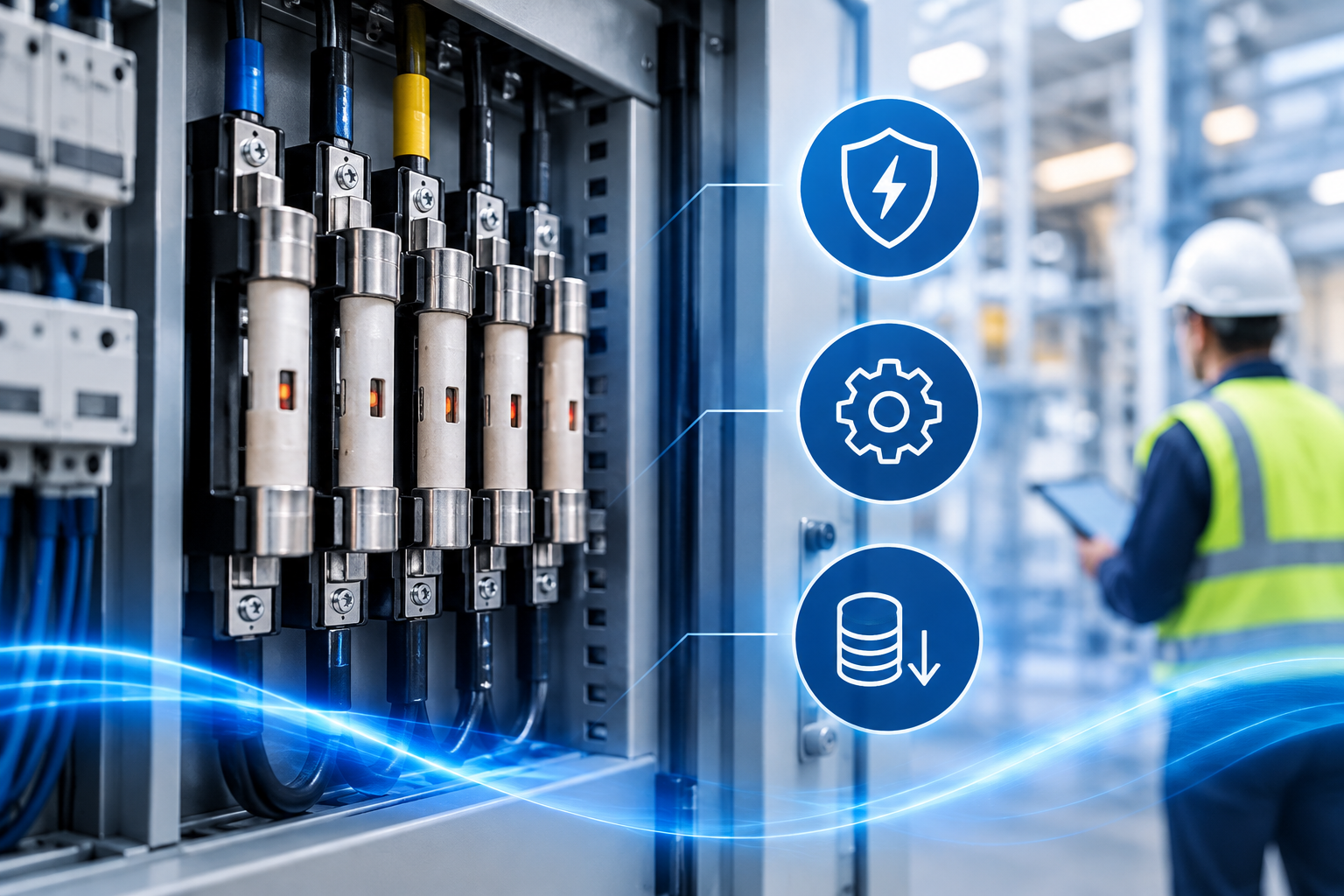
Managing electrical protection across an industrial facility can be challenging when maintenance teams must stock multiple fuse types, maintain critical equipment and control operating costs. Eaton’s Bussmann series Low-Peak Upgrade program offers a practical approach to simplifying fuse inventory while improving electrical safety and system reliability.
As outlined in Eaton’s Low-Peak Upgrade brochure, the program combines fuse inventory analysis, expert recommendations and an upgrade plan designed to help facilities reduce unnecessary stockkeeping units (SKUs), streamline maintenance and strengthen circuit protection.
For industrial plants, commercial buildings and maintenance departments, upgrading to Bussmann Low-Peak fuses can be an opportunity to review existing protection strategies and identify potential operational savings.
What Is the Eaton Bussmann Low-Peak Upgrade Program?
The Eaton Bussmann Low-Peak Upgrade program is a fuse inventory consolidation service that helps facilities evaluate their existing low-voltage fuses and identify opportunities to transition to Bussmann series Low-Peak fuses.
Instead of managing a large assortment of fuse models from different manufacturers, businesses can assess which applications may be served by a more standardized selection of protective devices.
The program focuses on three key objectives:
-
Enhanced electrical safety: Current-limiting fuse technology helps reduce the energy associated with electrical faults and arc flash hazards.
-
Improved system reliability: Appropriate fuse selection can help protect equipment, limit damage and reduce unnecessary downtime.
-
Simplified fuse inventory: Consolidating compatible fuse types can reduce the number of individual products that maintenance teams need to purchase, store and manage.
By combining technical expertise with inventory analysis, the program helps organizations make more informed decisions about their electrical circuit protection.
Key Benefits of Bussmann Low-Peak Fuses
1. Enhanced Electrical Safety and Arc Flash Risk Reduction
Electrical faults can release dangerous amounts of energy, creating risks for personnel and potentially damaging electrical equipment. Selecting suitable current-limiting fuses is one important element of an effective electrical safety strategy.
Bussmann series Low-Peak fuses are designed to limit fault current and reduce the incident energy associated with certain fault conditions. Depending on the fuse class and application, their interrupting ratings can reach up to 300 kA.
The product range also includes the Class CF CUBEFuse, which features a finger-safe design intended to help reduce exposure to electrical shock hazards.
These features can support a facility’s broader electrical safety objectives. However, actual protection depends on correct fuse selection, system characteristics, installation and coordination with other protective devices. Fuse upgrades should form part of a comprehensive electrical safety assessment rather than replace one.
2. Improved Equipment Protection and System Reliability
Unexpected electrical faults can lead to costly repairs, production interruptions and extended maintenance work. Choosing suitable protective devices helps reduce the risk of equipment damage during short-circuit events.
Bussmann Low-Peak fuses offer current-limiting performance that can help protect electrical components by reducing the let-through energy associated with faults.
Additional features can support maintenance efficiency. Selected Class CF, J and RK1 Low-Peak fuses are available with optional fuse indication, helping technicians identify an operated fuse more quickly.
For suitable motor starter applications, properly sized Low-Peak fuses can also support Type 2 coordination, helping contactors and overload relays remain serviceable after certain fault conditions without requiring replacement.
The result can be less troubleshooting time, reduced equipment damage and improved operational continuity when the protection scheme is correctly engineered.
3. Simplified Fuse Inventory and Lower Carrying Costs
A large fuse inventory can create hidden costs. Each additional SKU may require purchasing administration, receiving, storage space, stock monitoring and replenishment.
The Low-Peak Upgrade program is designed to identify opportunities to consolidate compatible fuse types into a more manageable inventory.
Eaton’s brochure states that the number of fuse SKUs may be reduced by up to 33%, depending on the existing inventory and the recommended consolidation plan.
Reducing unnecessary product variations can help maintenance teams:
-
Simplify spare-parts management.
-
Reduce purchasing and administrative workloads.
-
Improve storeroom organization.
-
Make fuse identification and replenishment easier.
-
Reduce inventory carrying costs.
-
Improve visibility into critical spare parts.
The aim is not simply to stock fewer fuses. It is to maintain an appropriate selection of correctly specified protective devices while eliminating unnecessary duplication wherever technically suitable.
How the Low-Peak Upgrade Program Works
Eaton outlines a straightforward three-step process to help facilities assess and improve their fuse inventory.
Step 1: Audit the Existing Fuse Inventory
The process begins with an inventory audit. A facility’s fuse stock is reviewed to capture information such as manufacturer, part number, product description, quantity on hand and storage location.
Businesses with an existing inventory list can submit the relevant information for analysis. However, physically verifying the stock helps improve the accuracy of the assessment.
This step establishes a clear picture of the current inventory and identifies the products that need to be evaluated.
Step 2: Analyze Inventory and Identify Consolidation Opportunities
The collected information is analyzed to determine which fuse products may be suitable for replacement with Bussmann series Low-Peak fuses.
The resulting inventory consolidation report can include:
-
The number of fuse SKUs eligible for upgrading or elimination.
-
The potential percentage reduction in inventory.
-
Estimated annual inventory-related savings.
-
A recommended fuse inventory list.
-
A quotation for the proposed Low-Peak fuses.
-
A potential one-time buyback credit for eligible existing inventory.
This analysis helps maintenance managers and purchasing teams assess the potential benefits before committing to an upgrade.
Importantly, any recommended replacement must be checked against the electrical and mechanical requirements of the specific application. Similar-looking fuses are not automatically interchangeable.
Step 3: Implement the Recommended Upgrade
After reviewing the proposed inventory plan, the facility can proceed with purchasing the recommended Bussmann series Low-Peak fuses through an authorized distributor.
Under the program described in the brochure, Eaton offers a one-time buyback credit for eligible existing inventory included in the recommendation. Collection and appropriate recycling of the old stock are also part of the described process.
The program includes training on Bussmann series Low-Peak fuses and may cover other circuit protection and electrical safety topics relevant to the facility.
This implementation stage helps the organization transition to a more streamlined inventory while supporting maintenance personnel with product knowledge and reference materials.
Is the Low-Peak Upgrade Program Free?
According to Eaton’s brochure, the Low-Peak Upgrade inventory analysis service is offered free of charge.
The brochure indicates that preparing the analysis report generally takes approximately five business days after the inventory has been physically counted and submitted, although additional information may sometimes be required.
The service provides an opportunity to evaluate possible inventory reductions and estimated savings before purchasing replacement fuses.
The cost of implementing the recommended upgrade is separate from the free analysis service. The final investment depends on the products required, the facility’s existing inventory and any applicable buyback credit.
Businesses should confirm current program availability, eligibility and commercial terms with an authorized Bussmann distributor or sales representative.
Real-World Example: Reducing Fuse Inventory by 23%
Eaton’s brochure describes a power plant that maintained more than 236 different fuse SKUs across panelboards, motor control centers and control panels.
After implementing the Low-Peak Upgrade program and adopting the recommended consolidation plan, the facility eliminated 55 fuse SKUs.
The reported results included:
-
55 fuse SKUs eliminated
-
23% reduction in fuse inventory
-
$6,875 in estimated annual savings
The savings estimate was based on an assumed annual cost of $125 for each eliminated inventory line item, including activities such as forecasting, purchasing, receiving, invoicing, stocking and shipping.
The facility also took advantage of the buyback program to establish a new, optimized inventory.
This example demonstrates how reviewing an established fuse inventory can uncover savings beyond the purchase price of the products themselves. Actual results will vary depending on the size, complexity and composition of each facility’s inventory.
Which Industries Can Benefit from the Low-Peak Upgrade Program?
The program may be relevant to a wide range of facilities that rely on low-voltage electrical distribution and industrial control systems.
Potential applications include:
-
Industrial manufacturing: Improve spare-parts organization across production equipment and electrical panels.
-
Automotive facilities: Simplify fuse management across manufacturing lines and supporting systems.
-
Food and beverage processing: Support maintenance planning for production and facility electrical systems.
-
Healthcare buildings: Review electrical protection inventories supporting building infrastructure.
-
Commercial properties and education facilities: Reduce unnecessary variation in electrical maintenance stock.
-
Water and wastewater operations: Streamline fuse inventory for pumping, control and distribution equipment.
-
Mining, steel and heavy industry: Assess complex inventories across multiple electrical systems.
-
Oil, gas, pulp and paper operations: Identify opportunities to standardize suitable low-voltage fuse applications.
Every facility has different electrical requirements. A professional review is essential to establish which products can be consolidated without compromising system protection or applicable standards.
Understanding the Bussmann Low-Peak Fuse Portfolio
The Bussmann Low-Peak range includes multiple fuse classes intended for different applications and electrical requirements.
Examples highlighted in Eaton’s brochure include:
-
Class CC: Compact fuses used for suitable branch-circuit and control applications.
-
Class CF CUBEFuse: A finger-safe fuse and holder system designed for compatible applications.
-
Class J: Current-limiting fuses used in appropriate low-voltage circuit protection systems.
-
Class L: Fuses intended for suitable higher-current applications.
-
Class RK1: General-purpose current-limiting fuses used in compatible circuits.
The correct choice depends on factors such as rated voltage, current, available fault current, interrupting rating, fuse class, time-delay characteristics, physical dimensions and coordination requirements.
Facilities should not assume that one fuse can replace another solely because the ampere ratings match. Any proposed substitution must be verified against the equipment manufacturer’s requirements, relevant standards and the characteristics of the electrical system.
How to Evaluate Potential Fuse Inventory Savings
Before starting an inventory consolidation project, maintenance and procurement teams can take several practical steps.
Review existing stock. Compile current fuse part numbers, manufacturers, quantities and storage locations.
Identify duplicate and slow-moving items. Look for overlapping products and rarely used SKUs, while retaining the spares required for critical equipment.
Assess technical suitability. Have qualified personnel verify the electrical ratings, physical compatibility and protection requirements of potential replacements.
Calculate total inventory costs. Consider purchasing administration, receiving, storage, stock control and replenishment rather than focusing only on the unit price of each fuse.
Compare the proposed inventory with current requirements. Confirm that the recommended stock provides adequate coverage for installed equipment, maintenance needs and operational risks.
Plan implementation and training. Establish purchasing, stock transition, documentation and employee training arrangements before making changes.
This structured approach helps organizations balance inventory efficiency with the need for dependable electrical protection.
Frequently Asked Questions
What is the Eaton Bussmann Low-Peak Upgrade program?
It is a fuse inventory consolidation program that assesses existing low-voltage fuse stock and identifies opportunities to transition to Bussmann series Low-Peak fuses while improving safety, reliability and inventory efficiency.
How much can the program reduce fuse inventory?
Eaton’s brochure states that eligible facilities may reduce their fuse SKUs by up to 33%. The achievable reduction depends on the existing inventory and the technical suitability of proposed replacements.
Does the program cost anything?
The brochure describes the inventory analysis service as free. Purchasing replacement fuses is a separate cost, and businesses should confirm current program terms and eligibility.
How long does the analysis take?
Eaton indicates that the report generally takes approximately five business days after the inventory information has been collected and submitted.
Can existing fuse inventory be bought back?
The brochure describes a one-time buyback credit for eligible existing inventory recommended for replacement. Specific eligibility and commercial terms should be confirmed with the program representative or authorized distributor.
Are Bussmann Low-Peak fuses suitable for every application?
No. Fuse selection depends on the electrical system, application, required ratings and protection characteristics. Qualified personnel must verify compatibility before replacing existing fuses.
Conclusion: A Practical Approach to Safer, More Efficient Fuse Management
The Eaton Bussmann Low-Peak Upgrade program provides a structured way to review electrical fuse inventories, identify suitable consolidation opportunities and evaluate potential maintenance cost savings.
By combining an inventory audit, technical analysis and implementation support, the program can help facilities simplify spare-parts management while pursuing improved electrical safety and system reliability.
For maintenance managers, electrical engineers, facility operators and procurement teams, the key benefit is a more informed approach to fuse selection and inventory planning. With appropriate engineering verification, a well-managed upgrade can reduce unnecessary inventory complexity while maintaining the protection required by the electrical system.
Facilities considering a fuse inventory optimization project should consult an authorized Bussmann distributor or sales representative to review their existing stock and determine whether the Low-Peak Upgrade program is appropriate for their requirements.
- Details
- Category: Electrical Fuses Blog
| bus-ele-cat-5084-full-line-retail.pdf | [Eaton Bussmann series 2020 Retail (Automotive and hardware) product catalog] | 6982 kB |
Eaton Bussmann Series 2020 Retail Product Catalog: Automotive, Hardware and Home Center Circuit Protection Solutions
Introduction
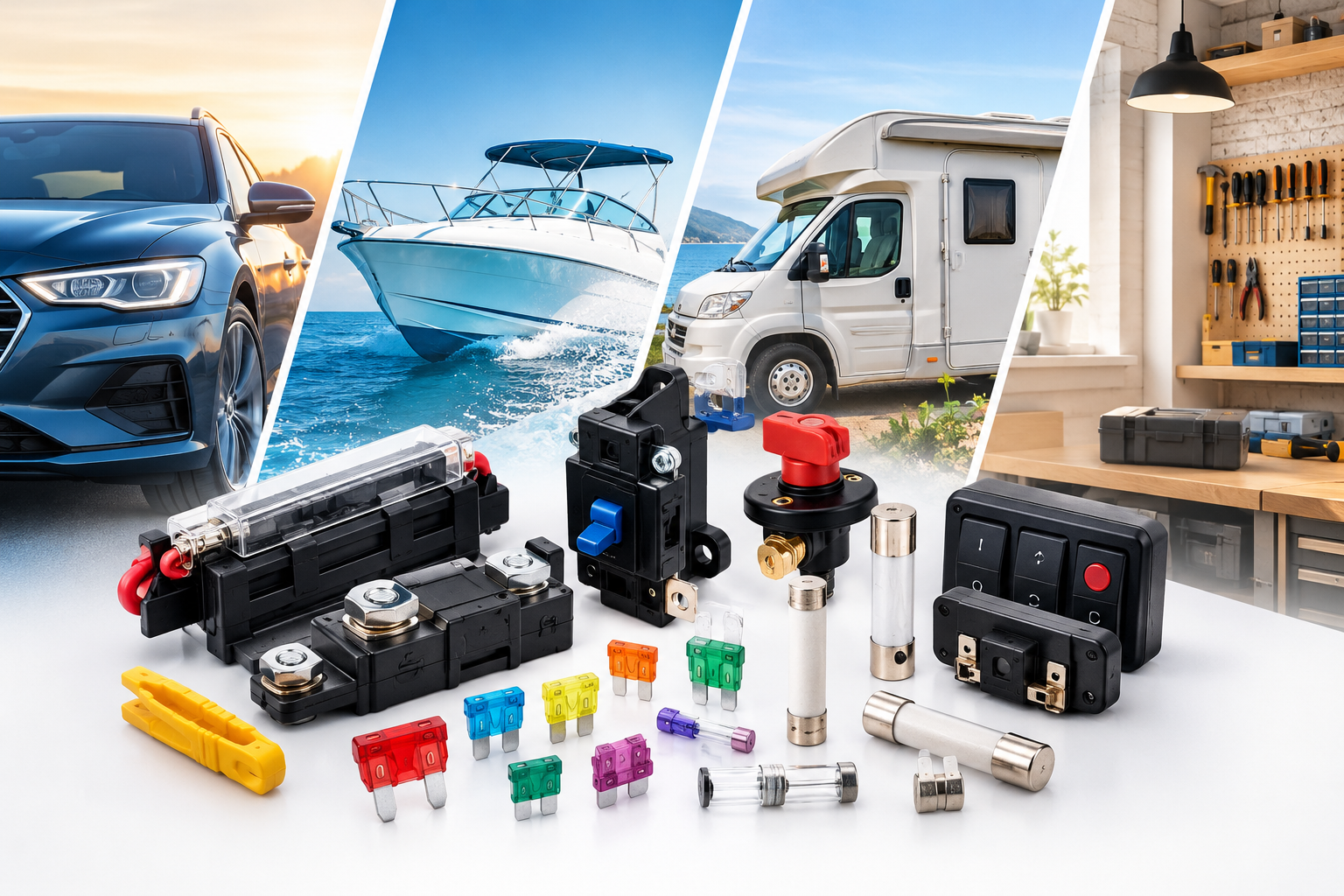
Reliable electrical circuit protection is essential for maintaining the safety and performance of automotive electrical systems, household equipment, and a wide range of electrical installations. The Eaton Bussmann series 2020 Retail Product Catalog brings together an extensive selection of fuses, circuit breakers, fuse holders, switches, accessories, and circuit protection products designed for automotive aftermarket retailers, hardware stores, home centers, repair professionals, and DIY customers.
Developed by Eaton, the Bussmann series offers a broad portfolio of circuit protection solutions for automotive, marine, recreational vehicle (RV), and residential electrical applications. The catalog provides product specifications, catalog numbers, packaging options, and selection information to help buyers identify suitable products for their inventory and application requirements.
For retailers and electrical professionals, the Eaton Bussmann series catalog is a practical resource for understanding product availability, organizing retail displays, and selecting the appropriate circuit protection components.
What Is the Eaton Bussmann Series 2020 Retail Product Catalog?
The Eaton Bussmann series 2020 Retail Product Catalog is a comprehensive product reference covering automotive and hardware or home center circuit protection products. It includes a wide variety of fuse technologies, electrical accessories, retail packaging formats, and product assortments.
The catalog is organized into dedicated product categories, making it easier for distributors, retail purchasing teams, technicians, and consumers to find the right type of component.
Key product categories include:
-
Automotive blade fuses and high-amperage fuses
-
Glass and ceramic tube fuses
-
Cartridge fuses and plug fuses
-
Automotive circuit breakers
-
Fuse holders, fuse blocks, and fuse panels
-
Battery terminal fuses and current limiters
-
Toggle switches, rocker switches, and battery disconnect switches
-
Marine and RV circuit protection products
-
Fuse testers, fuse pullers, and installation accessories
-
Retail fuse assortments, installer kits, and merchandising displays
This broad selection makes the Bussmann series a useful product family for businesses serving multiple electrical maintenance and repair markets.
Automotive Fuses for Reliable Vehicle Circuit Protection
Automotive electrical systems rely on correctly rated fuses to protect wiring and electrical components against excessive current. The Eaton Bussmann series automotive range includes multiple fuse formats designed to accommodate different vehicle designs and electrical requirements.
1. ATC and ATM Blade Fuses
ATC and ATM blade fuses are important product categories within the Bussmann automotive portfolio.
ATC blade fuses are commonly used in automotive electrical systems and are available in multiple current ratings. ATM blade fuses provide a compact format for applications where space is limited.
The catalog also includes low-profile ATM fuses, which are designed for compatible fuse locations requiring a reduced profile.
These fuse families offer retailers and technicians a range of replacement options for vehicle electrical maintenance. Available ratings, dimensions, and part numbers should be checked against the specific vehicle or equipment requirements.
2. ATR and ATL Micro Blade Fuses
Modern vehicles increasingly use compact electrical components and fuse formats. The Bussmann series catalog includes ATR two-leg micro blade fuses and ATL three-leg micro blade fuses for compatible applications.
These products help address space constraints in newer vehicle electrical systems. Because fuse designs and terminal configurations differ, selecting the correct fuse family is essential for a suitable replacement.
3. MAXI and High-Amperage Fuses
Some automotive circuits require higher current ratings than standard blade fuses provide. The Bussmann series MAXI fuse family includes ratings ranging from 20 A to 80 A in the catalog's listed configurations.
These fuses are used in compatible higher-current automotive circuits, including certain wiring harness and aftermarket accessory applications.
For correct selection, users should confirm the required amperage, physical dimensions, voltage rating, and manufacturer specifications rather than choosing a fuse based on current rating alone.
4. easyID Indicating Fuses
The Bussmann series easyID product range includes indicating fuse options designed to make blown-fuse identification easier in compatible applications.
This feature can help simplify troubleshooting and reduce the time required to identify a failed fuse. The catalog also covers compatible fuse holders and fuse panels, helping users evaluate related components as part of a circuit protection solution.
Automotive Circuit Breakers and Electrical Accessories
In addition to conventional fuses, the Eaton Bussmann series catalog features automotive circuit breakers for a range of compatible electrical applications.
Circuit breakers interrupt current when specified operating conditions are exceeded and may be reset or replaced according to their design. They are available in different formats, including blade-footprint, panel-mount, quick-connect, stud-terminal, and high-amperage configurations.
The catalog also includes accessories and supporting components such as:
-
Fuse holders and fuse taps
-
Fuse blocks and distribution panels
-
Battery terminal fuses
-
Fusible link wire
-
Current limiters
-
Junction blocks and terminal strips
-
Battery switches and disconnect switches
-
Automotive flashers and LED flashers
These components can help support vehicle electrical maintenance, accessory installations, and circuit protection system design.
Compatibility is important when selecting any circuit breaker, fuse holder, or accessory. Electrical ratings, terminal arrangements, mounting dimensions, and intended application should always be verified before installation.
Marine and RV Circuit Protection Products
Marine and recreational vehicle electrical systems may face demanding operating environments, including vibration, moisture, and restricted installation space. The Eaton Bussmann series catalog includes dedicated products for compatible marine and RV applications.
The product range includes high-amperage circuit breakers, marine-rated battery fuses, mounting accessories, Class T fuses, battery separators, battery isolators, and installation kits.
These product categories help retailers serve customers maintaining recreational vehicles, boats, auxiliary electrical systems, and compatible battery installations.
Marine and RV applications require particular attention to environmental suitability and electrical ratings. A product intended for general automotive use should not automatically be assumed suitable for a marine installation. Always confirm the manufacturer's application and installation requirements.
Hardware and Home Center Electrical Fuses
Beyond automotive applications, the Eaton Bussmann series 2020 catalog includes an extensive hardware and home center section. This range covers fuse types used in compatible electrical equipment, control circuits, and residential electrical installations.
1. Glass and Ceramic Tube Fuses
Glass and ceramic tube fuses are available in several product families and dimensions.
The catalog covers fast-acting and time-delay fuse options, including common quarter-inch formats and 5 × 20 mm metric formats.
Fast-acting fuses are designed to respond to overcurrent conditions according to their specified characteristics. Time-delay fuses are designed to tolerate certain temporary current surges within their ratings and time-current characteristics.
Choosing between these types requires understanding the protected equipment, its normal operating current, and its startup or transient current requirements.
2. Cartridge Fuses
Cartridge fuses provide circuit protection for a range of compatible electrical equipment and installations. The catalog includes several cartridge fuse families, including Class K5, Class H, Class RK5, Class CC, Class G, and Canadian CSA Type D and P products.
These categories differ in their electrical characteristics, physical dimensions, and intended applications.
When replacing a cartridge fuse, verify the fuse class, current rating, voltage rating, interrupting rating, dimensions, and equipment requirements. A fuse that physically fits may not provide the correct level or type of protection.
3. Plug Fuses and Electrical Circuit Breakers
The hardware and home center portfolio also includes plug fuses, adapters, and compatible circuit breakers.
Product families include Edison-base fuses, rejection-base fuses, adapters, and selected circuit breakers for applicable installations.
These products support specific legacy and compatible electrical systems. Replacement work should be performed only after confirming the installation type and the manufacturer's requirements. Electrical panel work may require a qualified electrician and compliance with applicable local electrical codes.
4. Surge Protection and Electrical Accessories
The catalog includes selected surge protection products and fuse-related accessories, such as fuse pullers, fuse testers, and fuse reducers.
These accessories can help simplify maintenance and support appropriate product selection. Fuse testers and pullers should be used according to their instructions, with the circuit placed in a safe condition before inspection or removal.
Retail Packaging and Product Assortments
One of the key advantages of the Eaton Bussmann series retail catalog is its focus on the practical needs of retailers, distributors, repair shops, and installers.
Different packaging formats support different purchasing and merchandising requirements.
Single-Rating Retail Packs
Single-rating packs contain fuses with the same current rating. These products are useful for customers who know the exact replacement rating they need.
Retail packaging can also help stores organize products by fuse family, amperage, and application.
Multiple-Rating Assortment Packs
Assortment packs contain a selection of fuse ratings in one package. They can be convenient for automotive owners, maintenance professionals, and repair shops that need several common fuse ratings available.
The catalog includes automotive fuse assortments, emergency kits, preparedness assortments, and selected hardware fuse assortments.
Value Packs and Bulk Packaging
Value packs and bulk packaging are intended for situations where multiple replacement fuses are needed.
These formats can help workshops, service providers, and frequent users maintain stock of commonly required products. Availability varies by fuse family and catalog number.
Installer Kits and Retail Displays
The catalog includes installer assortments, fuse caddies, tray assortments, tilt-bin displays, and retail merchandising solutions.
It also features automotive and hardware planogram information to help retailers organize product selections and make relevant items easier for customers to find.
For retail buyers, packaging options are an important consideration alongside electrical specifications, demand, stock availability, and replenishment requirements.
Benefits of the Eaton Bussmann Series Product Range
The Eaton Bussmann series retail portfolio offers several practical benefits for automotive and hardware product suppliers.
Broad product selection: A wide range of automotive, marine, RV, and hardware circuit protection categories supports different customer requirements.
Multiple fuse technologies: Blade fuses, tube fuses, cartridge fuses, plug fuses, and other formats provide options for compatible electrical systems.
Choice of current ratings: Different ratings allow buyers to identify products suited to specified circuit requirements.
Retail-ready packaging: Single-rating packs, assortments, value packs, and selected bulk options support different sales and service environments.
Supporting accessories: Fuse holders, circuit breakers, testers, pullers, switches, and related components help customers source complementary products.
Product identification and selection information: Catalog numbers, product tables, and technical information help buyers narrow down the products they need.
These benefits are most useful when products are selected according to the specific application, the manufacturer's specifications, and the requirements of the equipment being protected.
How to Choose the Right Bussmann Fuse
Selecting the correct fuse is essential for effective circuit protection. The following considerations can help guide the process.
Step 1: Identify the Fuse Type
Determine whether the application requires an automotive blade fuse, micro fuse, tube fuse, cartridge fuse, plug fuse, or another format.
The original fuse type and equipment documentation are useful starting points.
Step 2: Confirm the Current Rating
Check the specified amperage. Never increase a fuse's current rating simply because the original fuse repeatedly opens. Repeated fuse failures may indicate an underlying electrical fault that needs investigation.
Step 3: Verify Voltage and Interrupting Ratings
Confirm that the replacement fuse meets or exceeds the applicable equipment requirements for voltage and interrupting capability, in accordance with the manufacturer's instructions and relevant standards.
Step 4: Check Dimensions and Compatibility
Ensure that the replacement matches the required dimensions, terminals, mounting arrangement, and fuse class. Physical fit alone does not guarantee electrical compatibility.
Step 5: Review the Manufacturer's Specifications
Consult the relevant product data sheet and equipment documentation before purchasing or installing a replacement. Product availability, specifications, and catalog numbers can change over time.
Step 6: Follow Safe Installation Practices
Disconnect power where required, follow the equipment manufacturer's instructions, and use suitable tools and protective measures. Where the installation or fault is uncertain, seek assistance from a qualified technician or electrician.
Why the Catalog Is Valuable for Automotive and Hardware Retailers
For retailers, the Eaton Bussmann series 2020 catalog can support product range planning, purchasing, stock organization, and customer service.
Automotive stores can use its product categories to assess demand for standard blade fuses, micro fuses, high-amperage fuses, circuit breakers, and installation accessories.
Hardware stores and home centers can use the electrical section to review glass and ceramic fuses, cartridge fuses, plug fuses, accessories, and selected circuit protection products.
The catalog's packaging and display information can also help businesses evaluate how products should be presented on shelves or organized for professional customers.
However, the catalog is a 2020 edition. Buyers should confirm current product status, availability, specifications, and lead times before placing orders. Not every listed product is necessarily stocked or currently available in every market.
Frequently Asked Questions
What products are included in the Eaton Bussmann series 2020 retail catalog?
The catalog covers automotive blade fuses, high-amperage fuses, cartridge fuses, circuit breakers, fuse holders, switches, marine and RV circuit protection products, hardware fuses, plug fuses, electrical accessories, and retail assortments.
Are Eaton Bussmann automotive fuses suitable for all vehicles?
No. Fuse compatibility depends on the vehicle's electrical system, fuse format, current rating, dimensions, and manufacturer requirements. Always check the vehicle documentation and the specified replacement fuse.
What is the difference between ATC and ATM blade fuses?
ATC and ATM fuses are different blade fuse formats with different physical dimensions. ATM fuses are generally more compact than ATC fuses. They should not be treated as interchangeable unless the application is specifically designed for the selected fuse type.
Does the catalog include products for hardware stores and home centers?
Yes. It includes glass and ceramic tube fuses, cartridge fuses, plug fuses, selected circuit breakers, accessories, assortment packs, and hardware retail merchandising information.
Does the catalog include retail packaging options?
Yes. Depending on the product, packaging options include individual retail packs, value packs, assortment packs, bulk packs, and selected installer assortments.
Is the 2020 catalog sufficient for confirming current product availability?
Not necessarily. The catalog is a useful reference for product identification, but current stock status, lead times, specifications, and ordering information should be verified with an authorized distributor or the manufacturer.
Conclusion
The Eaton Bussmann series 2020 Retail Product Catalog provides a broad overview of circuit protection solutions for automotive aftermarket, marine, RV, hardware, and home center markets. With its range of fuse technologies, circuit breakers, electrical accessories, assortment packs, and retail display options, it serves as a useful reference for retailers, distributors, technicians, and maintenance professionals.
Whether the requirement involves identifying an automotive blade fuse, reviewing cartridge fuse options, selecting compatible circuit breakers, or planning a retail fuse assortment, the catalog helps users understand the available product families and narrow their selection.
For the best results, always verify current product availability, technical specifications, electrical ratings, and application compatibility before purchasing or installing any circuit protection product.



