
Electrical Fuses Blog
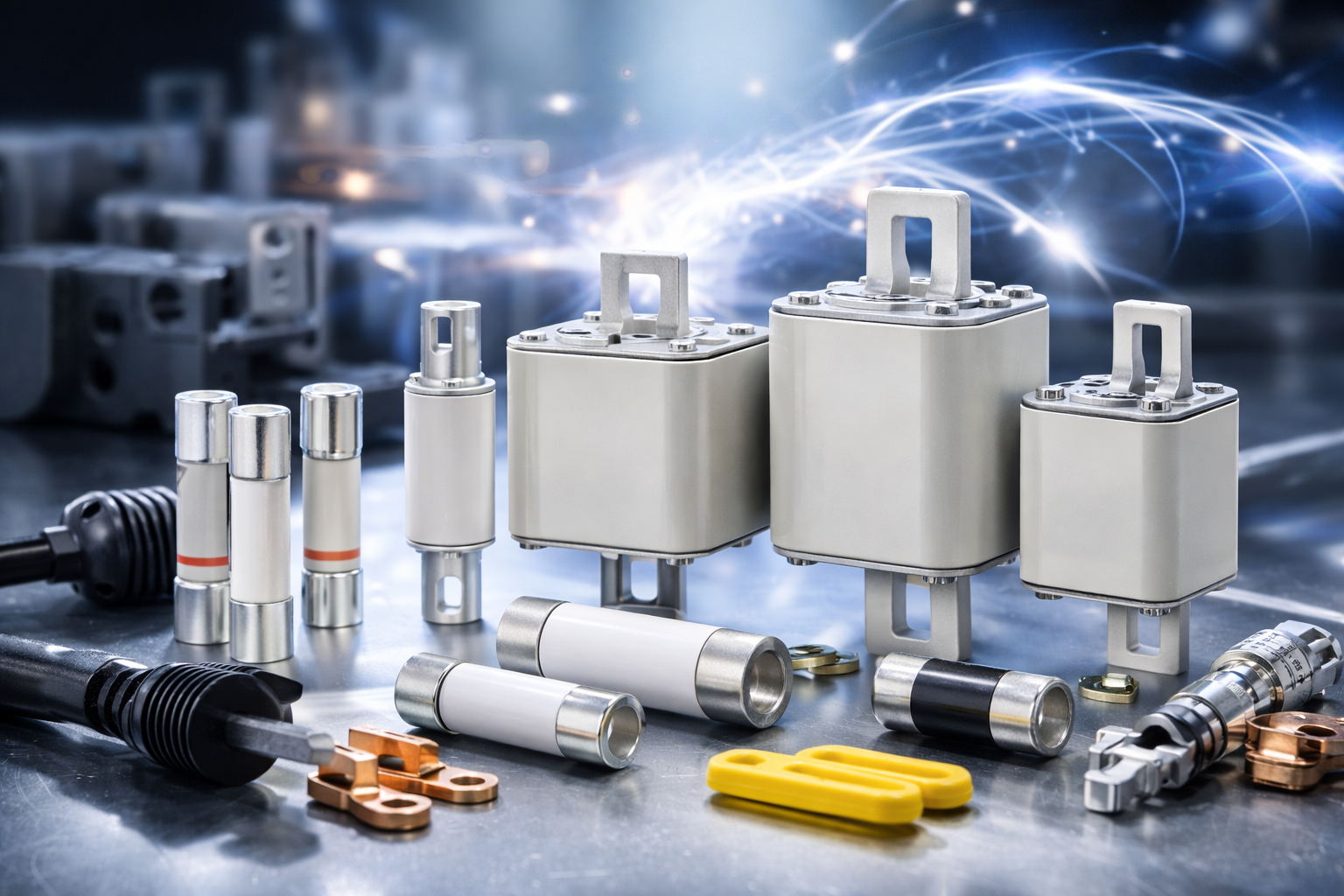
Eaton Bussmann Series Electrical Fuses – Blog & Fachwissen
Im Eaton Bussmann Series Electrical Fuses Blog finden Sie fundiertes Fachwissen rund um elektrische Sicherungen, Überstromschutz und moderne Schutzkonzepte für industrielle und gewerbliche Anwendungen. Diese Kategorie bündelt alle Blogartikel, technischen Beiträge und Praxisguides zu den Sicherungssystemen und Serien von Eaton Bussmann.
Eaton Bussmann zählt weltweit zu den führenden Herstellern von elektrischen Sicherungen, und ihre Serien stehen für Sicherheit, Normkonformität und höchste Zuverlässigkeit in anspruchsvollen elektrischen Systemen.
Was Sie im Eaton Bussmann Sicherungen Blog erwartet
Unsere Blogbeiträge helfen Ingenieuren, Einkäufern, Technikern und Planern dabei, die richtige Sicherungslösung zu finden und technische Zusammenhänge besser zu verstehen.
Themenschwerpunkte dieser Kategorie:
-
🔌 Überblick über Eaton Bussmann Sicherungsserien
-
⚙️ Unterschiede zwischen UL-, IEC- und Spezial-Sicherungen
-
📘 Technische Erklärungen zu Kennlinien, Auslöseverhalten & Bemessungswerten
-
🏭 Anwendungstipps für Industrie, Maschinenbau & Energieverteilung
-
🚗 Beiträge zu EV-, DC- und Hochvolt-Sicherungen
-
🛠 Best Practices für Auswahl, Installation und Wartung
Alle Inhalte sind praxisnah, verständlich aufbereitet und technisch fundiert.
Eaton Bussmann Sicherungsserien im Fokus
Der Blog behandelt regelmäßig verschiedene Eaton Bussmann Series Electrical Fuses, darunter:
-
Industrial Fuses
-
North American (UL) Fuse Series
-
IEC Sicherungsserien
-
High Speed & Semiconductor Fuses
-
EV & DC Sicherungen
-
Supplementary & Specialty Fuses
So erhalten Sie einen umfassenden Überblick über das Eaton Bussmann Portfolio und dessen Einsatzmöglichkeiten.
Fachwissen für sichere elektrische Systeme
Elektrische Sicherungen sind ein zentraler Bestandteil jeder sicheren Stromversorgung. Der Eaton Bussmann Series Electrical Fuses Blog unterstützt Sie dabei, Risiken zu minimieren, Normen einzuhalten und die Lebensdauer Ihrer Anlagen zu verlängern.
Ganz gleich, ob Sie Grundlagenwissen suchen oder tief in spezielle Sicherungsserien eintauchen möchten – hier finden Sie relevante, aktuelle und suchmaschinenoptimierte Inhalte rund um Eaton Bussmann Electrical Fuses.
👉 Jetzt Blogartikel entdecken und Ihr Wissen über Eaton Bussmann Sicherungsserien gezielt erweitern.

- Details
- Category: Electrical Fuses Blog
Why Machine Builders Are Among the Most Important Customers in Industry
Machine builders are one of the most important customer groups in the industrial sector. They play a central role in designing and manufacturing machinery used across almost every industry, from automotive manufacturing to pharmaceuticals. Machine builders are not only responsible for innovation and the production of industrial equipment; they also select the right protection components to ensure the safety and reliability of their machines.
In this article, we explain why machine builders are among the most important customers for industrial suppliers and why their requirements for fuses and other electrical protection components are particularly demanding.
1. Machine Builders as Key Players in Industry
Machine builders are a driving force behind industry because they are responsible for designing and manufacturing machines used in a wide range of applications. From power station construction to production lines in the automotive industry, mechanical engineering forms the foundation of many industrial processes.
Machine builders require a wide range of components to make their machinery efficient, safe and durable. Fuses and protection systems are essential components in this context. They protect machines during critical operating conditions, helping to prevent equipment failures and costly repairs.
2. Machine Builders' Requirements for Protection Components
Machine builders have particularly high expectations of protection components such as electrical fuses. Their main priorities are safety, reliability and long service life. Some of the most important criteria they consider when selecting fuses include:
-
High current-carrying capacity: Machines can generate high currents during peak loads. Fuses must be able to withstand short-term overloads without unnecessarily interrupting the power supply.
-
Fast response time: In the event of a short circuit or overload, a fuse must interrupt the electrical circuit quickly to prevent damage to machinery and equipment.
-
Long service life: Machines and production systems are often designed for long-term operation. Reliable fuses that provide protection throughout the entire service life of the machinery are therefore essential.
-
Space-saving solutions: Many machines require compact components. Micro fuses and miniature fuses offer space-saving protection without compromising safety.
3. The Role of Electrical Fuses in Mechanical Engineering
Electrical fuses play a crucial role in protecting machinery and industrial equipment. They provide protection against short circuits, overloads and fault currents, which can cause expensive downtime or even create fire hazards. A reliable fuse ensures that the electrical circuit is interrupted quickly and safely in the event of a fault, preventing damage to the machine and other components.
Another important feature of fuses used in mechanical engineering is their ability to provide preventive protection. By using time-delay fuses where appropriate, machines that temporarily require high starting currents – such as electric motors and pumps – can operate safely without causing unnecessary fuse tripping.
4. Improving Efficiency and Reducing Costs Through the Correct Use of Fuses
Another reason why machine builders depend on high-quality fuses is the potential for cost savings through efficient protection solutions. The right electrical protection can prevent expensive repairs and production downtime while also helping to improve machine energy efficiency.
-
Preventing downtime: Machines protected against electrical faults and malfunctions by effective fuse solutions can operate more continuously and require less maintenance.
-
Extending machine service life: Preventing damage to machine components caused by overloads and short circuits helps extend machinery service life and reduces costs in the long term.
-
Energy efficiency: Fuses help prevent damage and unnecessary energy losses in electrical systems by operating when an overload or fault occurs. This can contribute to energy savings and lower operating costs.
5. Why Machine Builders Continue to Choose Reliable Suppliers
Machine builders place great importance on reliability and quality. A dependable supplier of electrical protection components is therefore essential. They often favour long-term partnerships with suppliers who meet their demanding quality standards and understand the specific needs of the machine-building industry.
A knowledgeable contact who understands the individual requirements of machine builders and can provide tailored solutions plays a vital role. Suppliers who offer dependable deliveries, excellent customer service and consistently high product quality are often the preferred choice for future projects.
6. Conclusion: Machine Builders as Loyal Customers in the Industrial Sector
Machine builders are among the most important customers in industry because their work provides the foundation for a wide range of manufacturing and production processes. They need high-quality, reliable fuses and electrical protection components to safeguard their machinery against faults and make their operations safer and more efficient.
The correct selection and use of fuses not only extends machine service life but also helps reduce costs and improve energy efficiency.
By working closely with reliable suppliers, machine builders can ensure that their machinery is optimally protected and that their production processes remain efficient and cost-effective.

- Details
- Category: Electrical Fuses Blog
Trust Is No Accident: Why Customers Keep Coming Back to a Reliable Supplier
In today's highly competitive business environment, earning and maintaining customer trust is essential for every business. Trust forms the foundation of successful customer relationships and can determine whether customers return or choose another supplier. In this article, we explore why trust matters and what businesses can do to build and maintain it over the long term.
1. Why Is Trust Essential for Business Success?
Trust is one of the most important factors in building lasting customer relationships. Customers who trust a company and its products are not only more loyal but are also more likely to recommend the business to others. Trust creates a positive brand image and encourages customers to return to the same supplier, even when circumstances become challenging.
-
Customer satisfaction: Trust increases customer satisfaction because customers know they can rely on a company's products, services and commitments.
-
Long-term customer relationships: Businesses that earn their customers' trust establish lasting relationships that provide the foundation for repeat purchases.
-
Recommendations and word of mouth: Satisfied customers are more likely to recommend a business to others, helping attract new customers and increase brand awareness.
Trust is therefore more than a personal connection between a supplier and a customer. It is a strategic business advantage that supports sustainable growth.
2. How Can Businesses Build Customer Trust?
Building trust is an ongoing process that requires transparency, reliability and consistently high standards across every aspect of a business. Here are some effective ways to earn customer confidence:
-
Product and service quality: Customers need to know that they are receiving products and services of consistently high quality. Reliable, fault-free products are essential for establishing trust.
-
Customer support and service: Knowledgeable, helpful customer support strengthens confidence. Customers want to know that they will receive prompt and effective assistance whenever problems arise.
-
Reliable delivery: On-time deliveries and dependable logistics are important factors in building trust. Customers are more likely to return when they can rely on a supplier to deliver as promised.
-
Transparency and communication: Open and honest communication about prices, product specifications and delivery times helps establish a trustworthy business relationship.
A company that consistently keeps its promises and meets customer expectations will build lasting trust.
3. Why Do Customers Keep Coming Back?
There are many reasons why customers repeatedly choose a business they trust. Some of the most important factors include:
-
Consistent quality: Customers return when they know that the quality of products and services remains consistently high. A supplier offering reliable products helps ensure customer satisfaction and avoids unpleasant surprises.
-
Simple and efficient ordering processes: A smooth and efficient ordering process saves customers time and prevents unnecessary complications or delays. Convenience and user-friendly processes build confidence and encourage repeat purchases.
-
Loyalty programmes: Many businesses offer loyalty schemes or rewards to recognise and reward returning customers. These programmes encourage customers to continue purchasing from the same supplier.
-
Customer-focused services: Customers are more likely to return when they feel that a business understands their individual requirements and responds accordingly. Personalised, customer-oriented service plays a major role in customer retention.
4. Building Trust Through Continuous Improvement
Trust is not built simply by meeting expectations. It also requires a continuous commitment to improvement and an understanding of changing customer needs. Businesses can strengthen customer confidence through several measures:
-
Collecting customer feedback: Customer feedback is a valuable tool for improving product and service quality. When businesses actively listen to feedback and implement improvements, customers feel valued and taken seriously.
-
Innovation and product updates: Regular innovation and product improvements help businesses remain competitive and demonstrate their commitment to meeting evolving customer requirements.
-
Proactive problem-solving: When problems arise, businesses should do more than simply react. Wherever possible, they should offer solutions proactively, before customers have to chase them. This approach strengthens trust and improves customer satisfaction.
5. Conclusion: Customer Trust Is the Key to Long-Term Success
Trust is a decisive factor in building successful customer relationships. Businesses that earn and consistently maintain customer confidence benefit from stronger customer retention and lasting brand loyalty.
By delivering high-quality products, dependable customer service, transparent communication and continuous improvements to products and services, companies can build and maintain customer trust over the long term.
Trust is no accident. It is the result of consistent quality, commitment and a genuinely customer-focused business strategy.
- Details
- Category: Electrical Fuses Blog
 eaton-bussmann-series-high-speed-fuses-application-guide-br132015en-en-us.pdf  | [Eaton Bussmann Fuses Technical Guide] | 0 kB |
What Is a Time-Delay Fuse and When Is It Needed?
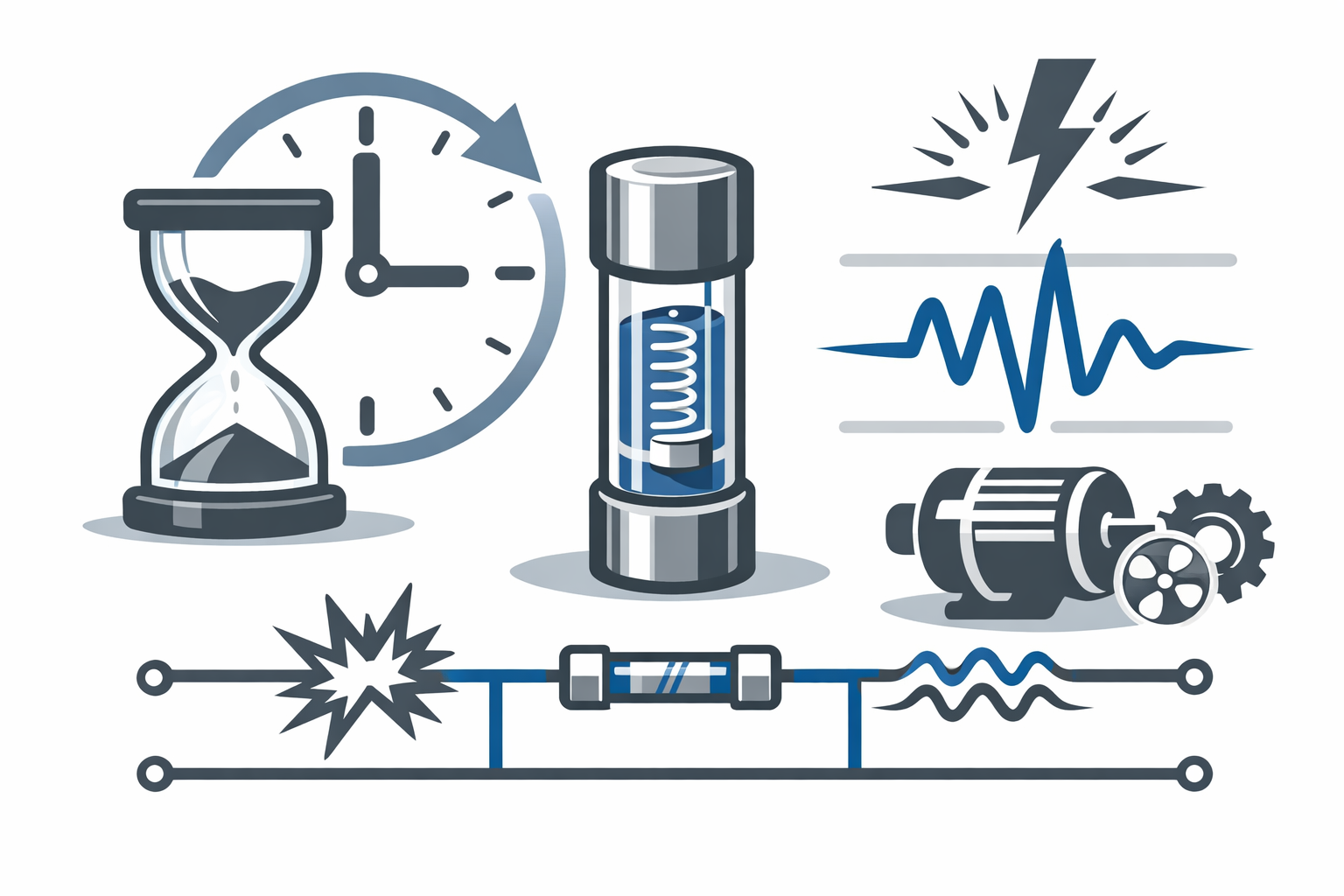
Choosing the right fuse is essential for ensuring the safety and reliability of industrial electrical systems. A time-delay fuse, also known as a slow-blow or time-lag fuse, is a specialised type of fuse designed to withstand short-term overload currents without immediately interrupting the electrical circuit.
In this article, we explain what a time-delay fuse is, how it works and which applications benefit most from its use.
1. What Is a Time-Delay Fuse?
A time-delay fuse is an electrical fuse designed to tolerate temporary overload currents without blowing immediately. Unlike standard fast-acting fuses, which respond quickly to excessive current, a time-delay fuse allows a brief period of overcurrent before disconnecting the electrical circuit.
This is particularly important in applications where temporary current peaks occur during normal operation and should not cause unnecessary fuse failures.
How it works: A time-delay fuse has a specially designed melting characteristic that allows it to withstand short-duration overloads. However, it still interrupts the circuit within its specified operating time when exposed to sustained overloads or short circuits.
Operating characteristics: These fuses are designed to tolerate sudden load increases, which commonly occur when industrial machinery starts up or electric motors are switched on.
2. Why Is a Time-Delay Fuse Necessary?
Many industrial applications and electrical installations experience temporary overloads that do not necessarily represent a safety risk.
For example, electric motors often draw a significantly higher current when starting. Similarly, transformers may require additional current for a short period when energised. These temporary current peaks can cause conventional fuses to blow unnecessarily, interrupting the electrical circuit even though the overload is only temporary.
A time-delay fuse helps prevent this by ensuring that:
-
Short-duration current peaks lasting several seconds can be tolerated without interrupting the power supply.
-
The circuit is disconnected when an overload becomes sustained or reaches dangerous levels.
-
Machinery and equipment that regularly generate high inrush currents remain properly protected.
3. Where Are Time-Delay Fuses Used?
Time-delay fuses are used in various industrial and commercial applications where temporary overload currents may occur during normal operation.
Typical applications include:
Electric Motors
Electric motors generate high starting currents for short periods when switched on. A time-delay fuse protects the motor circuit without unnecessarily interrupting the power supply during the starting process.
Transformers
Transformers can experience temporary inrush currents when energised. A time-delay fuse helps prevent unnecessary interruptions caused by these normal switching currents.
Pumps and Ventilation Systems
Pumps and ventilation equipment can also generate high starting currents. Time-delay fuses help maintain a reliable power supply during these temporary load increases.
Industrial Heating Systems
Industrial heating systems may experience temporary overload conditions that do not represent a genuine fault. A correctly selected time-delay fuse provides reliable electrical protection in these applications.
In all these situations, time-delay fuses help prevent premature circuit interruptions and support the reliable operation of machinery and electrical equipment.
4. Advantages of Time-Delay Fuses
Time-delay fuses offer several advantages over standard fast-acting fuses:
Fewer Unnecessary Shutdowns
By tolerating short-duration overload currents, time-delay fuses prevent unnecessary interruptions and allow machinery to start without repeatedly blowing the fuse.
Longer Equipment Service Life
Equipment that regularly generates high starting currents benefits from appropriately selected time-delay protection, helping to avoid unnecessary interruptions and associated operational problems.
Suitable for Specific Applications
Time-delay fuses can be selected to match the electrical characteristics and operating requirements of individual industrial machines and applications without compromising the required level of protection.
Reduced Operating Costs
By helping to prevent unnecessary production stoppages and repair work, time-delay fuses can contribute to lower operating costs and improved productivity.
5. When Should You Use a Time-Delay Fuse?
A time-delay fuse is particularly beneficial in the following situations:
-
When electric motors or pumps generate high starting currents that last only for a short period.
-
In electrical systems that experience temporary current increases during start-up or load changes.
-
In transformer applications where the initial energisation current is temporarily higher than the normal operating current.
-
In ventilation and heating systems that regularly experience short-duration current peaks.
A time-delay fuse is a suitable choice whenever temporary overload currents are part of normal operation and an immediate interruption of the electrical circuit would be unnecessary.
However, the fuse must always be selected according to the equipment's electrical ratings, the manufacturer's specifications and the applicable protection requirements.
6. Conclusion: The Importance of Time-Delay Fuses in Industrial Applications
Time-delay fuses are an important component of industrial electrical protection. They help protect electrical installations and equipment while accommodating temporary current peaks that occur during normal operation.
They are particularly useful for applications involving electric motors, transformers, pumps and other equipment that generates high inrush currents.
Selecting the correct time-delay fuse helps improve operational reliability, minimise unnecessary downtime and reduce operating costs.
Make sure you choose a fuse that meets the specific requirements of your application to ensure reliable protection and long-term equipment performance.

- Details
- Category: Electrical Fuses Blog
Why You Should Buy Your Electrical Fuses from a Specialist Supplier
Choosing the right electrical fuses for industrial applications is essential to ensuring the safety, reliability and performance of your electrical systems. In this article, we explain why purchasing your fuses from a specialist supplier is a smart decision, particularly when you need technical expertise, high-quality products and dependable service.
1. Why Choosing the Right Fuse Supplier Matters
The quality of electrical fuses plays a vital role in the availability and safety of industrial installations. Choosing unsuitable or poor-quality fuses can lead to system failures, production downtime and expensive repairs.
For this reason, it is important to purchase from reliable and knowledgeable suppliers specialising in high-quality fuses for industrial circuits and electrical installations.
A trusted supplier offers more than just a wide product range. They also provide expert technical advice to help you select the correct fuses for your specific application and operational requirements.
2. The Benefits of Buying from a Specialist Fuse Supplier
Working with a specialist electrical fuse supplier offers numerous advantages. Some of the most important include:
-
Technical knowledge and expertise: A fuse specialist understands the specific requirements of different industries and can help you identify the most suitable protection solutions for your applications.
-
Product quality: Specialist suppliers offer high-quality, certified electrical fuses that comply with relevant international standards and safety requirements. This helps ensure that your installations receive reliable protection.
-
Personalised technical advice: Selecting the right fuse depends on several factors, including voltage, current rating and the specific operating conditions of your equipment. An experienced supplier can provide tailored recommendations and help you choose the most appropriate products.
-
Reliable delivery: A professional supplier helps ensure that the fuses you need are delivered on time, in the correct quantities and whenever required.
Choosing a specialist supplier means benefiting from both product expertise and support throughout the purchasing process.
3. A Wide Range of Industrial Fuse Types
A specialist supplier stocks a broad selection of electrical fuse types designed for different industrial applications. Some of the most common types include:
-
Cartridge fuses: These provide effective protection against overloads and short circuits. They are available in various sizes, ratings and operating characteristics.
-
Power fuses: Designed for higher-power electrical circuits, these fuses offer high breaking capacity and are suitable for applications involving particularly high fault currents.
-
Automatic circuit protection devices: Circuit breakers provide automatic interruption of electrical circuits when a fault occurs and can generally be reset without replacing a fuse.
-
Fuses for specialist applications: Depending on your requirements, dedicated fuse solutions may be needed for solar power systems, medical equipment or industrial automation systems.
An experienced supplier can help identify the right fuse solution for each application, ensuring that your equipment and electrical installations are appropriately protected.
4. Safety Standards and Certifications for Electrical Fuses
One of the most important considerations when purchasing electrical fuses is ensuring that the products meet the necessary safety standards and certification requirements.
Always check whether the products comply with relevant international standards and approvals, such as UL, CSA, CE and IEC requirements, as applicable.
These standards and certifications help demonstrate that electrical protection products:
-
Operate reliably and are designed for a long service life.
-
Provide the required protection by safely interrupting fault currents and short circuits.
-
Meet applicable performance and energy-efficiency requirements.
By purchasing from a supplier that offers appropriately certified products, you can help ensure that your industrial electrical circuits meet the required safety and quality standards.
5. Fast Delivery and Excellent Customer Service
Another important advantage of specialist suppliers is product availability combined with high-quality customer service.
A reliable supplier does more than deliver products quickly. They also provide support throughout the entire purchasing process.
-
Fast delivery: Receive the electrical fuses you need without unnecessary delays. This is particularly important for maintaining production schedules and minimising operational downtime.
-
Customer service: Qualified customer support can help you select the right products, answer questions about their use and provide assistance with fuse installation or commissioning.
-
Technical advice: When required, specialist technical guidance helps ensure that the selected fuses are suitable for your particular application and operating conditions.
A professional supplier makes the entire process, from ordering to after-sales support, as straightforward and efficient as possible.
6. Conclusion: Choosing the Right Supplier for Your Electrical Fuses
Choosing the right electrical fuse supplier is essential for the safety, reliability and efficiency of industrial electrical circuits.
A specialist supplier combining technical expertise, high-quality products and dependable customer service can provide the right solutions for your requirements. This not only helps protect your equipment but can also improve operational efficiency and reduce long-term costs.
Make sure you purchase your electrical fuses from a knowledgeable and reliable supplier offering a comprehensive product range, personalised technical advice and excellent customer support.
Looking for reliable industrial electrical fuses? Choose a specialist supplier who understands your requirements and can help you find the right circuit protection solutions.

- Details
- Category: Electrical Fuses Blog
The Role of Sales: Why a Dedicated Customer Contact Is Essential for End Customers
In today's business world, sales involves much more than simply supplying products or services. Having a knowledgeable and reliable sales contact can make the difference between securing a successful order and losing a business opportunity. In this article, we explore why a good sales partner not only improves customer satisfaction but also helps secure long-term business success.
1. Why Is Sales So Important for End Customers?
Sales acts as the link between a company and its end customers. An experienced sales partner understands not only the product or service but also the needs and requirements of the customer. The importance of having a knowledgeable point of contact can be summarised as follows:
-
Building trust: A professional sales partner earns the customer's trust, helping to establish long-term business relationships.
-
Identifying customer needs: A good sales contact listens carefully and quickly identifies customer requirements in order to provide tailored solutions.
-
Providing information: Sales representatives ensure that customers receive all the information they need to make informed purchasing decisions.
A well-trained sales team makes customers feel understood and properly advised, improving customer satisfaction and increasing the likelihood of a successful sale.
2. The Role of Sales in Building Customer Loyalty
A good sales contact is important not only for the initial purchase but also plays a key role in maintaining long-term customer relationships. There are several reasons why sales is so important in this respect:
-
Personalised advice: A good sales representative takes account of each customer's specific preferences and requirements, offering tailored advice. This creates a stronger relationship and encourages customer loyalty.
-
After-sales support: Sales representatives continue to support customers after the purchase by answering questions, resolving problems and providing assistance. This ongoing support increases customer satisfaction and reduces the likelihood of customers switching to competitors.
-
Encouraging repeat purchases: Through regular communication and recommendations of relevant products or services, sales teams encourage repeat business and strengthen customer relationships.
A long-term relationship between a sales representative and a customer leads to stronger brand engagement and greater customer loyalty.
3. How Sales Influences the Purchasing Process
Sales has a direct influence on the customer's purchasing decision. A good sales contact can guide customers through the entire process and help ensure they make the right choice. Here are some ways in which sales can influence the purchasing process:
-
Product presentation: An experienced sales representative knows how to present a product or service in a way that highlights its benefits and addresses the customer's needs.
-
Addressing questions and concerns: A good sales partner recognises customer objections and concerns and responds to them professionally and convincingly. This helps build trust and encourages a positive purchasing decision.
-
Positioning offers and discounts effectively: Carefully targeted offers and discounts can encourage customers to make purchasing decisions sooner without creating unnecessary pressure.
A knowledgeable, customer-focused sales strategy can significantly shorten the purchasing process and improve conversion rates.
4. How a Good Sales Contact Makes the Difference
The difference between an average and an outstanding sales partner lies in the quality of communication and their understanding of customer needs. A good sales contact demonstrates the following qualities:
-
Empathy and active listening: Successful sales professionals listen carefully, understand customer concerns and respond directly to their individual requirements.
-
Product knowledge and expertise: A good sales contact has in-depth knowledge of the products or services and can explain this expertise in a way that clearly demonstrates the value to the customer.
-
Reliability and transparency: A trustworthy sales partner keeps their promises and ensures that customers are always informed about the latest developments.
A good sales partner is more than just a salesperson. They are a trusted adviser who helps customers find the solution that best meets their needs.
5. The Role of Sales in the Digital Age
In an increasingly digital world, sales teams must do more than maintain personal contact with customers. They also need to use digital channels effectively. Online sales, email marketing and social media are playing an increasingly important role in modern sales. Nevertheless, personal communication remains essential for building trust.
-
Making the most of online presence: A good sales partner knows how to use digital channels effectively to reach customers and provide relevant information.
-
Taking a multichannel approach: Sales teams should be active both online and offline, engaging customers through their preferred channels and maximising their reach.
-
Using data analytics: Data analysis enables sales teams to understand customer behaviour more effectively and respond to individual needs in a targeted way.
A modern, multidimensional sales strategy combines personal advice with digital tools to maximise customer value.
6. Conclusion: Sales as a Key to Business Success
Having a good sales contact is essential to the success of any business. Through proactive communication, tailored advice and long-term customer support, companies can not only increase sales but also strengthen customer loyalty. Businesses that invest in excellent sales support can secure long-term competitive advantages and strengthen their brand position.
Invest in training your sales teams and ensure that your customer contacts are always well-informed, empathetic and customer-focused. This is the way to build lasting customer relationships and achieve your business objectives successfully.



