
Electrical Fuses Blog
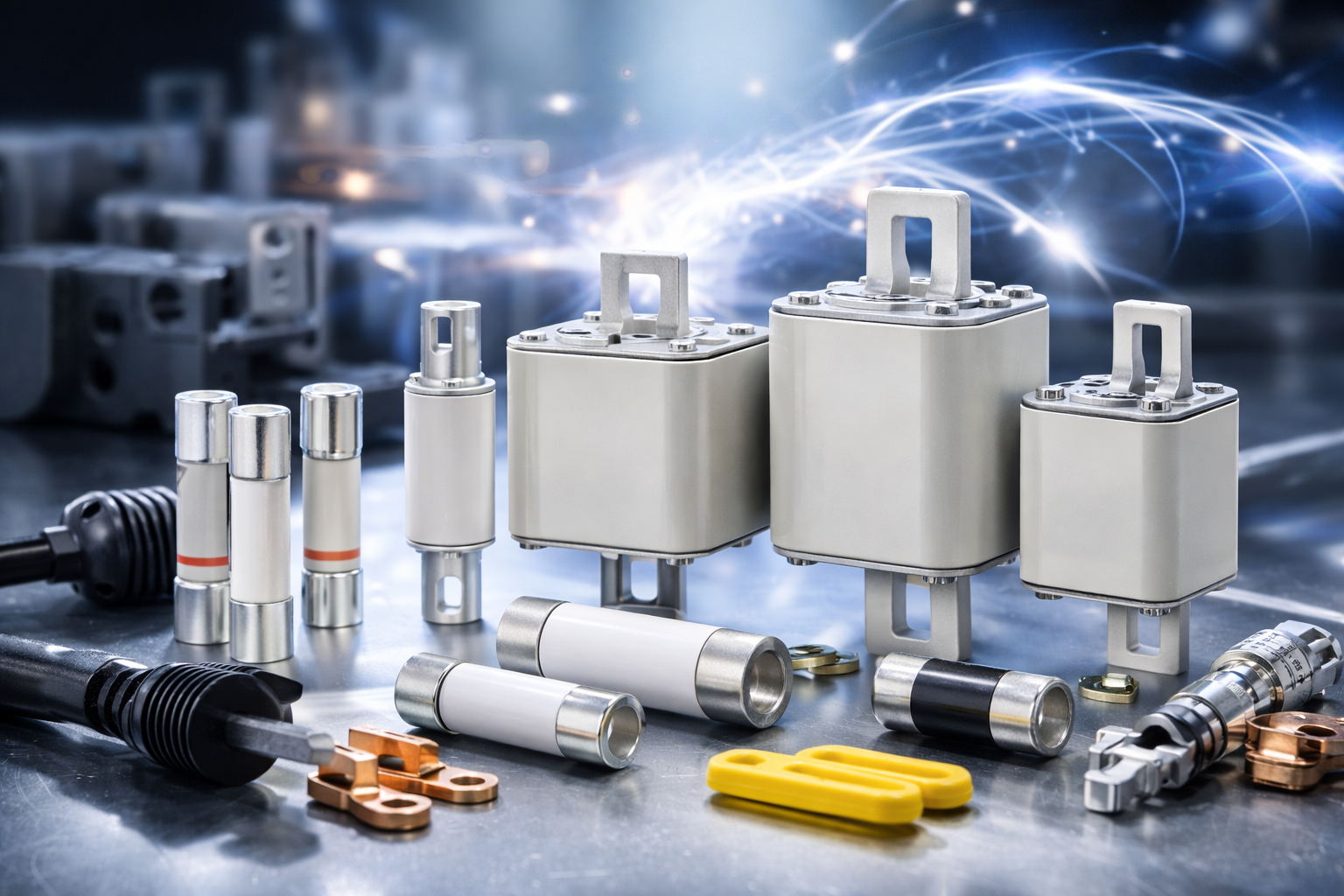
Eaton Bussmann Series Electrical Fuses – Blog & Fachwissen
Im Eaton Bussmann Series Electrical Fuses Blog finden Sie fundiertes Fachwissen rund um elektrische Sicherungen, Überstromschutz und moderne Schutzkonzepte für industrielle und gewerbliche Anwendungen. Diese Kategorie bündelt alle Blogartikel, technischen Beiträge und Praxisguides zu den Sicherungssystemen und Serien von Eaton Bussmann.
Eaton Bussmann zählt weltweit zu den führenden Herstellern von elektrischen Sicherungen, und ihre Serien stehen für Sicherheit, Normkonformität und höchste Zuverlässigkeit in anspruchsvollen elektrischen Systemen.
Was Sie im Eaton Bussmann Sicherungen Blog erwartet
Unsere Blogbeiträge helfen Ingenieuren, Einkäufern, Technikern und Planern dabei, die richtige Sicherungslösung zu finden und technische Zusammenhänge besser zu verstehen.
Themenschwerpunkte dieser Kategorie:
-
🔌 Überblick über Eaton Bussmann Sicherungsserien
-
⚙️ Unterschiede zwischen UL-, IEC- und Spezial-Sicherungen
-
📘 Technische Erklärungen zu Kennlinien, Auslöseverhalten & Bemessungswerten
-
🏭 Anwendungstipps für Industrie, Maschinenbau & Energieverteilung
-
🚗 Beiträge zu EV-, DC- und Hochvolt-Sicherungen
-
🛠 Best Practices für Auswahl, Installation und Wartung
Alle Inhalte sind praxisnah, verständlich aufbereitet und technisch fundiert.
Eaton Bussmann Sicherungsserien im Fokus
Der Blog behandelt regelmäßig verschiedene Eaton Bussmann Series Electrical Fuses, darunter:
-
Industrial Fuses
-
North American (UL) Fuse Series
-
IEC Sicherungsserien
-
High Speed & Semiconductor Fuses
-
EV & DC Sicherungen
-
Supplementary & Specialty Fuses
So erhalten Sie einen umfassenden Überblick über das Eaton Bussmann Portfolio und dessen Einsatzmöglichkeiten.
Fachwissen für sichere elektrische Systeme
Elektrische Sicherungen sind ein zentraler Bestandteil jeder sicheren Stromversorgung. Der Eaton Bussmann Series Electrical Fuses Blog unterstützt Sie dabei, Risiken zu minimieren, Normen einzuhalten und die Lebensdauer Ihrer Anlagen zu verlängern.
Ganz gleich, ob Sie Grundlagenwissen suchen oder tief in spezielle Sicherungsserien eintauchen möchten – hier finden Sie relevante, aktuelle und suchmaschinenoptimierte Inhalte rund um Eaton Bussmann Electrical Fuses.
👉 Jetzt Blogartikel entdecken und Ihr Wissen über Eaton Bussmann Sicherungsserien gezielt erweitern.
- Details
- Category: Electrical Fuses Blog
 eaton-bussmann-series-high-speed-fuses-application-guide-br132015en-en-us.pdf | [Eaton Bussmann Fuses FAQ] | 2677 kB |
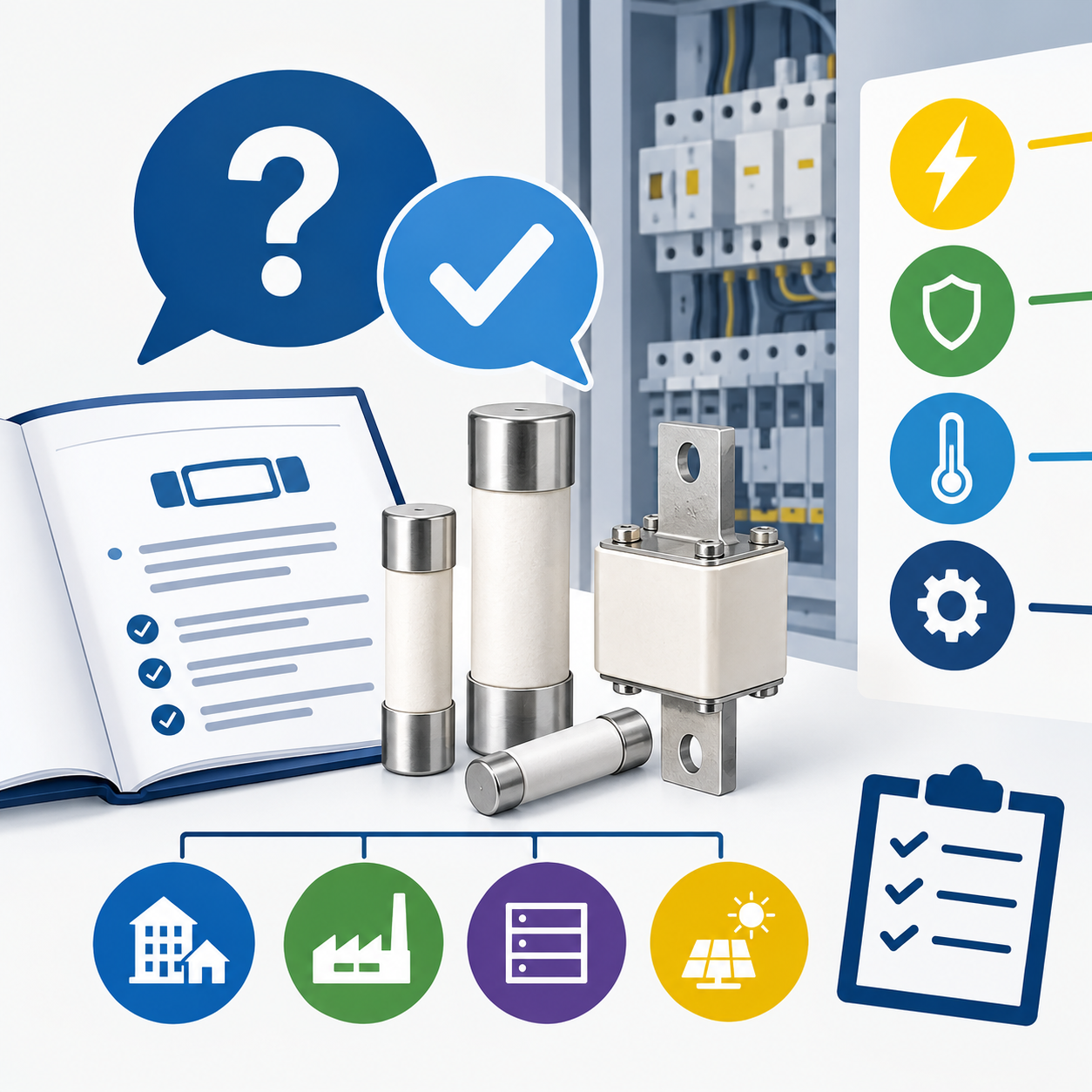
Eaton Bussmann Series Fuses: Frequently Asked Questions About Electrical Fuse Protection
Electrical fuses play a vital role in protecting electrical circuits, equipment and installations against overcurrent faults. Whether you are designing an industrial power distribution system, maintaining electrical equipment or selecting components for a new application, choosing the right fuse is essential for reliable and safe operation.
The Eaton Bussmann series offers a broad range of electrical circuit protection solutions for different applications. But how do fuses work, how do you select the correct fuse rating, and when should you use a fuse instead of a circuit breaker?
In this FAQ guide, we answer common questions about electrical fuses, fuse holders, fuse ratings and circuit protection, drawing on technical guidance from Eaton.
1. What Does an Electrical Fuse Do?
An electrical fuse protects a circuit or piece of equipment against excessive current caused by overloads or short circuits. When the current exceeds the fuse's operating limits for a sufficient period, the fuse element melts or vaporises, interrupting the electrical circuit.
This interruption helps prevent damage to cables, electrical components and connected equipment. Depending on the application and fault conditions, the correct fuse can also help reduce the risks associated with overheating and electrical faults.
Key benefit: An appropriately selected Eaton Bussmann series fuse provides a designed, controlled means of interrupting fault current and protecting electrical systems.
2. What Is an Electrical Fuse Made Of?
The construction of an electrical fuse depends on its type, rating and intended application. Many cartridge fuses include several key components:
-
Ceramic body: Provides insulation and mechanical strength.
-
Fuse element: Often made from materials such as copper, silver or other suitable conductive materials. It melts or vaporises under specified fault conditions.
-
End caps or terminals: Provide the electrical connection to the circuit.
-
Sand or other arc-quenching filler: Used in many cartridge fuses to help extinguish the arc and manage the energy released when the fuse operates.
These components work together to interrupt excessive current safely. The materials, dimensions and construction are engineered to meet the performance requirements of the specific fuse design.
3. What Happens Inside a Fuse When It Operates?
When a fuse experiences an overcurrent condition, its fuse element heats up. If the current and its duration are sufficient, the element melts and an electrical arc may form as the circuit begins to open.
In many high-performance cartridge fuses, the arc-quenching filler helps absorb energy and extinguish the arc. The sealed construction is designed to contain the effects of the interruption within the fuse body.
The exact operating process depends on the fuse's design, construction and fault conditions. This is why selecting a fuse with the correct voltage rating, current rating and breaking capacity is essential for effective circuit protection.
4. What Happens If a Fuse Fails to Operate Correctly?
A fuse that does not interrupt a fault as intended can expose equipment and people to serious hazards. Excessive fault energy may damage electrical components, cause overheating or lead to an arc-related incident.
Incorrect fuse selection is one potential reason a fuse may fail to provide the required protection. Common selection considerations include:
-
System operating voltage.
-
Normal operating current and expected overload conditions.
-
Prospective short-circuit current.
-
Required breaking capacity.
-
Ambient temperature and installation conditions.
-
Applicable product standards and coordination with other protective devices.
Always use a fuse designed for the application and sourced through a reputable, authorised supplier. If the correct specification is uncertain, consult the fuse manufacturer or a qualified electrical professional before installation.
5. Can You Use Fuse Wire Instead of a Proper Fuse?
Fuse wire may melt and interrupt current, but it is not a safe substitute for a properly engineered and rated electrical fuse in applications that require certified circuit protection.
A purpose-designed fuse has defined operating characteristics and an appropriate construction for handling specified fault conditions. Improvised fuse wire may not interrupt high fault currents safely or provide the required level of protection for surrounding equipment and people.
For electrical installations and industrial applications, always use a suitable, correctly rated fuse rather than improvised alternatives.
6. Should You Use a Fuse or a Circuit Breaker?
Both fuses and circuit breakers protect electrical circuits against overcurrent conditions, but they operate differently and offer different advantages.
Electrical fuses interrupt a circuit by melting or vaporising their fuse element. Once a fuse has operated, it must be replaced with a compatible fuse of the correct specification.
Circuit breakers use a switching mechanism to interrupt current and can generally be reset after the cause of the fault has been identified and addressed, provided the device remains serviceable.
Fuses can offer compact construction, cost-effective protection and high breaking capacities in suitable designs. Circuit breakers can offer convenient resetting and switching functionality. In some installations, fuses and circuit breakers work together as part of a coordinated protection strategy.
| Feature | Electrical fuse | Circuit breaker |
|---|---|---|
| Operating principle | Fuse element melts or vaporises | Switching mechanism opens the circuit |
| After operation | Replace the fuse | May be reset after inspection and fault clearance |
| Size | Often compact | Depends on device type and rating |
| Fault interruption | Can provide high breaking capacity when correctly selected | Depends on the device's rated breaking capacity |
| Best choice | Depends on the application and protection requirements | Depends on the application and protection requirements |
There is no universal answer to which device is best. The correct choice depends on the electrical system, fault level, operating conditions, required selectivity and applicable standards.
7. How Long Does an Electrical Fuse Last?
An electrical fuse can have a long service life if it remains within its specified operating conditions and does not experience an event that causes it to operate.
Eaton notes that a fuse that has not operated may typically last around 20–30 years under suitable conditions. However, this is not a guaranteed lifespan for every fuse or installation.
Factors that can influence fuse life include:
-
Ambient and operating temperatures.
-
Repeated heating and cooling cycles.
-
Current fluctuations and startup surges.
-
The fuse's operating duty and application.
-
Installation conditions and the selected fuse rating.
For demanding industrial environments, temperature and operating-cycle considerations should form part of the fuse selection process. Always follow the manufacturer's guidance on inspection, replacement and service conditions.
8. How Do You Select the Correct Eaton Bussmann Series Fuse?
Selecting the right fuse is essential to achieving reliable overcurrent protection. A fuse that is unsuitable for the circuit may operate unnecessarily or fail to provide the required protection.
Before choosing an Eaton Bussmann series fuse, consider the following factors.
Rated voltage
The fuse's rated voltage must be suitable for the system voltage and the conditions under which it will interrupt a fault. Never use a fuse outside its specified voltage rating.
Rated current
Determine the normal continuous current and select a fuse that can carry the required load under the actual operating conditions. Also account for startup surges, such as the inrush current associated with starting electric motors.
Breaking capacity
The fuse must be capable of safely interrupting the prospective short-circuit current at the installation point. Check the available fault current and confirm that the fuse's breaking capacity is adequate.
Operating temperature
Ambient temperature and heat generated by nearby equipment can affect fuse performance. Consider the installation environment when assessing the appropriate fuse rating and operating characteristics.
Application and coordination
Different applications have different protection requirements. Consider the equipment being protected, fault conditions, coordination with other protective devices and any relevant industry or regional standards.
Product authenticity and compliance
Purchase genuine products from the manufacturer or an authorised distributor. Verify the product's specifications and applicable approvals before installation.
Practical tip: Never select a fuse based on current rating alone. Voltage, breaking capacity, operating characteristics, temperature and the application must all be considered together.
9. What Is a Fuse Holder, and Why Is It Important?
A fuse holder is a component designed to secure a compatible fuse and connect it to an electrical circuit. Depending on the design, it can simplify installation, replacement and electrical isolation during maintenance.
When choosing a fuse holder, check that it is compatible with the fuse type and dimensions, and that its electrical ratings suit the application. Installation requirements, environmental conditions and access for maintenance should also be considered.
Using a suitable fuse and compatible holder helps ensure that the complete protection assembly meets the requirements of the electrical system.
10. Where Can You Find Technical Support for Eaton Bussmann Series Fuses?
Fuse selection can be complex, particularly in industrial power distribution, renewable energy systems and other applications involving high prospective fault currents or demanding operating conditions.
If you are unsure which fuse is suitable, consult the manufacturer's technical documentation or seek advice from a qualified electrical professional.
Conclusion: Choose the Right Fuse for Reliable Circuit Protection
Choosing the right electrical fuse is an important part of protecting equipment, supporting system reliability and managing electrical fault risks. Understanding how fuses operate, comparing fuses with circuit breakers, considering environmental conditions and checking all relevant ratings can help you make an informed selection.
The Eaton Bussmann series provides electrical circuit protection solutions for a variety of applications. By consulting product specifications and seeking technical guidance when needed, engineers, installers and maintenance professionals can identify a fuse that meets their system's requirements.
For detailed technical information, refer to Eaton's official Fuse Frequently Asked Questions page and the documentation for the specific product you are considering.
- Details
- Category: Electrical Fuses Blog
Katalog_Disconnect-switches_April-2013.pdf | 0 kB |
📘 Complete Guide to the Disconnect Switches Catalogue – April 2013
In the world of electrical systems and power distribution, having the right switching equipment is crucial to ensuring system reliability, safety, and efficiency. The Disconnect Switches Catalogue – April 2013 from Casadaa provides a comprehensive guide to a wide range of disconnect switches designed for various industrial and commercial applications. This catalog is an invaluable resource for engineers, system designers, and procurement professionals looking to select the right disconnect switches for their projects.
🔌 What is the Disconnect Switches Catalogue – April 2013?
The Disconnect Switches Catalogue – April 2013 is a detailed product guide offering in-depth information about disconnect switches from Casadaa. Disconnect switches are essential components in electrical systems, used to safely isolate circuits for maintenance, repair, and to prevent overload or short circuits. This catalogue covers a variety of disconnect switches for different voltage levels and industrial sectors, including:
-
High-voltage disconnect switches
-
Medium-voltage disconnect switches
-
Low-voltage disconnect switches
-
Accessories and additional components for disconnect switches
It provides technical specifications, application guidelines, and product details to help professionals make informed decisions.
📊 Key Features of the Catalogue
🧰 1. Wide Range of Disconnect Switches
The catalogue features a comprehensive range of disconnect switches, ensuring a solution for every application:
-
High-voltage disconnect switches: Designed for use in large-scale electrical networks and industrial applications, providing reliable performance under extreme conditions.
-
Medium-voltage disconnect switches: Ideal for power distribution and industrial sectors, offering secure isolation and protection for medium-voltage circuits.
-
Low-voltage disconnect switches: Essential for smaller systems, they ensure safe and easy disconnection for maintenance or fault isolation.
Each product is clearly described with its voltage ratings, current capacities, and safety features, allowing you to easily find the right switch for your needs.
🔩 2. Technical Specifications and Installation Guidance
Each disconnect switch is accompanied by detailed technical specifications, such as:
-
Rated voltage and current
-
Pole configuration (single-pole, double-pole, etc.)
-
Mechanical and electrical life ratings
-
Dimensions and installation requirements
This technical information ensures you can make precise and efficient decisions when selecting the right disconnect switch for your system, ensuring maximum performance and safety.
⚙️ 3. Applications in Various Industries
Disconnect switches are widely used across various industries, and this catalogue highlights applications in:
-
Power distribution networks
-
Industrial machinery and equipment
-
Renewable energy (solar, wind)
-
Commercial electrical installations
-
Critical infrastructure (hospitals, data centers)
The catalogue provides practical examples of how each type of disconnect switch can be applied in these sectors, helping engineers and designers choose the best solution for their specific needs.
🔍 Why This Catalogue is Essential
✅ Comprehensive Overview of Disconnect Switches
The Disconnect Switches Catalogue – April 2013 offers a complete catalog of disconnect switches, from low-voltage to high-voltage models. It’s an indispensable guide for professionals looking to choose the right disconnect switch for their projects.
✅ Reliable and Safe Electrical Systems
Disconnect switches are critical for safe electrical isolation, whether it’s for maintenance, troubleshooting, or system upgrades. This catalogue ensures that users have access to reliable, high-quality switches that meet safety standards and perform consistently in demanding environments.
✅ Simplified Component Selection
With clear technical data, product dimensions, and installation guidelines, the catalogue makes it easier for engineers to select the right switch for each application, reducing the risk of errors and improving system efficiency.
⚡ Tips for Using the Disconnect Switches Catalogue
-
Cross-check voltage and current ratings with your system’s specifications to ensure compatibility.
-
Review the mechanical life ratings to select a switch that meets the expected usage and maintenance needs.
-
Follow the installation guidelines to ensure a secure, compliant setup, minimizing downtime and potential hazards.
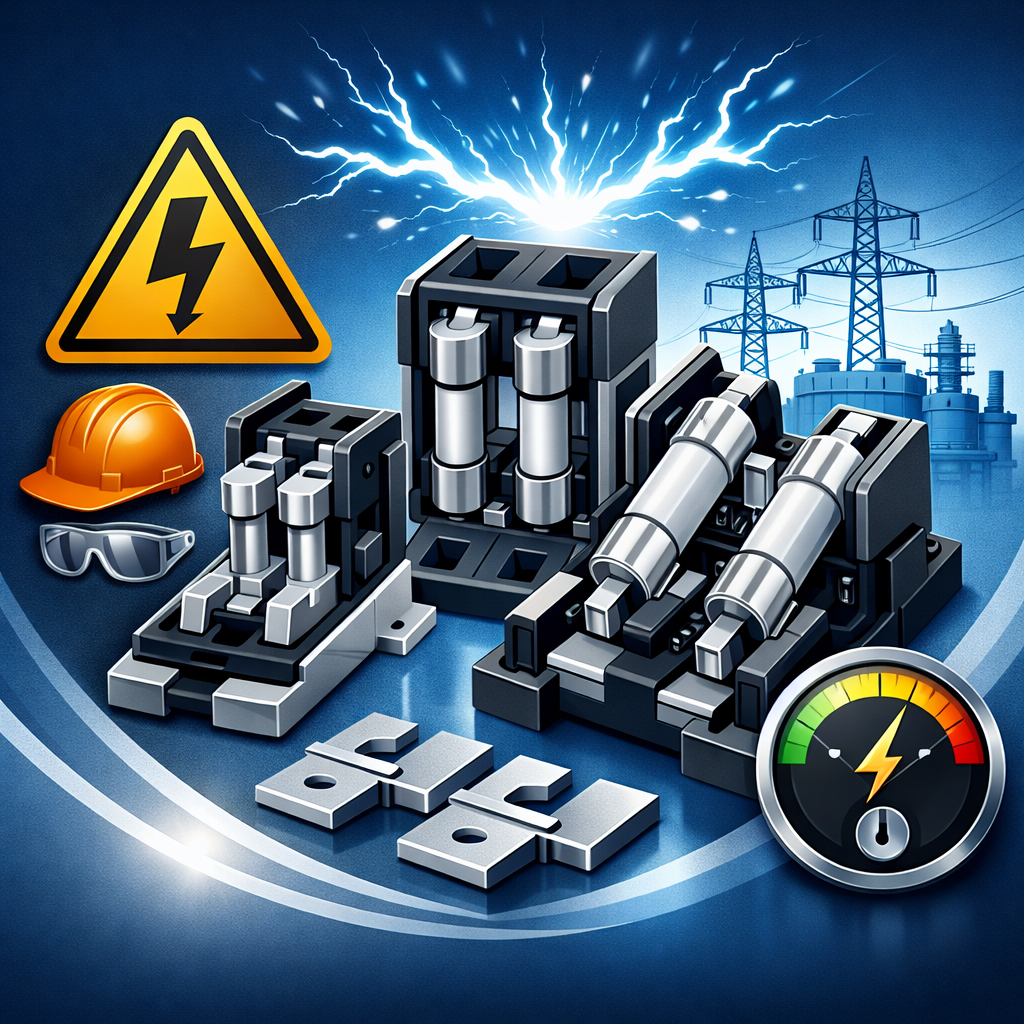
Complete Guide to the Eaton Bussmann JM-JH-JR Knife Blade Blocks Product Brochure (October 26, 2012)
- Details
- Category: Electrical Fuses Blog
JM-JH-JR_knifeblade-blocks_productbrouchure_26_10_2012.pdf | 0 kB |
📘 Complete Guide to the Eaton Bussmann JM-JH-JR Knife Blade Blocks Product Brochure (October 26, 2012)
For professionals in electrical protection, power distribution, and industrial automation, selecting the right fuse blocks is critical to ensuring safe and efficient operation of electrical systems. The Eaton Bussmann JM-JH-JR Knife Blade Blocks Product Brochure (October 26, 2012) provides an in-depth look at the JM, JH, and JR series of knife blade fuse blocks—key components designed for high-performance electrical systems. This brochure is an essential resource for engineers, system designers, and procurement teams.
🔌 What is the Eaton Bussmann JM-JH-JR Knife Blade Blocks Product Brochure?
The Eaton Bussmann JM-JH-JR Knife Blade Blocks Product Brochure is a technical guide that covers the JM, JH, and JR series of knife blade fuse blocks manufactured by Eaton Bussmann. These fuse blocks are crucial components in high-current fuse protection, specifically designed for use in electrical and power distribution systems. The brochure offers valuable product information, including:
-
Product specifications
-
Detailed technical drawings
-
Applications and installation guidelines
-
Compatibility with various fuse types
These fuse blocks help ensure that electrical circuits are protected from overloads and short circuits, contributing to the safety, efficiency, and longevity of electrical systems.
📊 Key Features of the Brochure
🧰 1. Product Range: JM, JH, and JR Series
The brochure includes a detailed overview of Eaton Bussmann’s JM, JH, and JR knife blade fuse blocks, with in-depth descriptions of each series:
-
JM Series: Compact and reliable, perfect for applications requiring moderate current protection.
-
JH Series: Designed for higher power applications, suitable for industrial and commercial use.
-
JR Series: Offers advanced protection features, ideal for high-current circuits in demanding environments.
Each series is described with its current ratings, voltage capabilities, and mounting options, providing all the necessary data for choosing the right product for your needs.
🔩 2. Technical Specifications and Application Guidance
Each fuse block in the brochure includes detailed technical specifications, such as:
-
Current and voltage ratings
-
Mounting options (surface mount or panel mount)
-
Fuse type compatibility
-
Size and dimensions
In addition, the brochure offers application guidelines to help engineers choose the right fuse block for their specific system requirements, ensuring compatibility and optimal protection.
⚙️ 3. Industries and Applications
The JM-JH-JR Knife Blade Blocks are versatile components used in various industries, including:
-
Power distribution systems
-
Renewable energy applications (solar, wind)
-
Industrial machinery
-
Commercial and residential electrical installations
The brochure highlights the practical use of these fuse blocks across different sectors, demonstrating how they improve safety, performance, and reliability in demanding electrical environments.
🔍 Why This Brochure is Essential
✅ Comprehensive Overview of Knife Blade Fuse Blocks
The Eaton Bussmann JM-JH-JR Knife Blade Blocks Product Brochure is a complete catalog of high-performance fuse blocks, providing all the technical information needed to select and install the right components for any electrical system.
✅ Easy Component Selection
With detailed technical drawings and specifications, this brochure simplifies the process of choosing the right fuse block for any application, ensuring compatibility and optimal performance.
✅ Enhanced Protection for Electrical Systems
Eaton Bussmann’s JM, JH, and JR series knife blade fuse blocks are designed to protect circuits from overloads and short circuits, enhancing the safety and longevity of electrical systems while preventing costly damage.
⚡ Tips for Using the Eaton Bussmann JM-JH-JR Knife Blade Blocks Product Brochure
-
Cross-reference product specifications to ensure compatibility with your fuses and electrical system.
-
Utilize the application guidelines for insights on ideal configurations and system requirements.
-
Follow mounting and installation instructions to ensure safe, secure, and compliant installation.

- Details
- Category: Electrical Fuses Blog
| CH_U_Product-Brochure_3185_2011.pdf | 0 kB |
📘 Comprehensive Guide to the CHU Product Brochure 3185 (2011)
For professionals working in electrical protection, industrial automation, and power distribution, having access to a detailed product brochure is essential for selecting high-quality components. The CHU Product Brochure 3185 (2011) from Casadaa provides a complete overview of CHU series components, designed for a range of industrial applications and system protection solutions.
🔌 What is the CHU Product Brochure 3185 (2011)?
The CHU Product Brochure 3185 is an essential technical guide for engineers and procurement specialists, offering a comprehensive overview of the CHU series components. This includes:
-
Circuit breakers
-
Protection relays
-
Switches and accessories
-
System protection solutions
Designed for industrial and commercial applications, the brochure provides all the necessary information to select, install, and maintain electrical protection components that ensure the safe operation of electrical systems.
📊 Key Features of the Brochure
🧰 1. Wide Range of Protection Components
The CHU Product Brochure covers a wide variety of components within the CHU series, including:
-
Circuit breakers for overcurrent protection
-
High-performance relays for fault detection
-
Switches for reliable system control
-
Accessories for installation and maintenance
Each product is described with detailed specifications, ensuring engineers can easily identify the right component for their application.
🔩 2. Technical Specifications and Application Guidance
Each component in the brochure comes with comprehensive technical data such as:
-
Current and voltage ratings
-
Interrupting capacities
-
Response times and tripping characteristics
-
Dimensions and installation guidelines
These technical details are invaluable for ensuring the right selection and smooth integration into your electrical systems.
⚙️ 3. Industrial Applications and Solutions
The CHU Product Brochure showcases applications in various industries, including:
-
Industrial machinery protection
-
Power distribution systems
-
Renewable energy integration (solar, wind)
-
Commercial electrical installations
By highlighting real-world scenarios, the brochure helps engineers and system designers understand how these components perform in different environments, optimizing safety and reliability.
🔍 Why This Brochure is Essential
✅ Comprehensive Product Overview
The CHU Product Brochure provides a complete catalog of high-quality electrical protection components, making it a valuable tool for anyone in charge of designing, specifying, or maintaining electrical systems.
✅ Reliable and Safe System Design
With detailed specifications and real-world application guidance, the brochure helps engineers choose the correct components to ensure safe and efficient operation of complex electrical systems.
✅ Efficient Procurement and Planning
For procurement teams, the CHU Product Brochure streamlines the process of selecting compatible components, reducing errors, improving cost-effectiveness, and ensuring system longevity.
⚡ Tips for Using the CHU Product Brochure
-
Cross-check specifications with system requirements to ensure compatibility.
-
Utilize application guides to determine the best configuration for your protection needs.

- Details
- Category: Electrical Fuses Blog
| Full-line-catalogue-October_2018_1-100.pdf | 0 kB |
📘 Complete Guide to the Full Line Catalogue – October 2018
For professionals in electrical engineering, industrial automation, and power distribution, having access to a comprehensive component catalogue is crucial. The Full Line Catalogue – October 2018 from Casadaa provides a complete overview of electrical protection components, fuses, switches, and accessories — making it a must-have reference for engineers, procurement teams, and technical designers.
🔌 What is the Full Line Catalogue – October 2018?
The Full Line Catalogue consolidates Eaton’s extensive product portfolio into a single, detailed document. It includes technical specifications, product ranges, and application guidance for:
-
Fuses and fuse holders
-
High-speed and medium-voltage fuses
-
Switches, relays, and circuit protection devices
-
Accessories for industrial and commercial electrical systems
The catalogue serves as a one-stop technical reference, helping engineers and technicians quickly select the right products for their applications while ensuring safety and compliance.
📊 Key Features of the Catalogue
🧰 1. Comprehensive Product Range
The catalogue presents Eaton’s full line of electrical protection and switching devices. It includes:
-
Detailed product specifications
-
Voltage and current ratings
-
Mounting and installation guidelines
-
Application-specific recommendations
This allows users to efficiently choose components tailored to their system requirements.
🔩 2. Technical Data and Application Guidance
Each product entry includes critical technical information, such as:
-
Rated voltage and current
-
Interrupting capacity
-
Time-current characteristics
-
Physical dimensions and wiring instructions
These details help design safe, efficient, and reliable electrical systems.
⚙️ 3. Industry Applications
The Full Line Catalogue provides insights into real-world applications, including:
-
Industrial machinery and motor drives
-
Renewable energy systems
-
Commercial and residential electrical installations
-
Data centers and critical infrastructure
By connecting products to practical applications, the catalogue helps users implement solutions quickly and accurately.
🔍 Why the Catalogue is Essential
✅ Trusted Technical Reference
The catalogue is more than a product list — it’s a comprehensive technical guide for engineers, panel builders, and procurement teams.
✅ Safe and Reliable System Design
With detailed specifications, performance charts, and application notes, the catalogue ensures components are selected and applied correctly, reducing downtime and improving system safety.
✅ Efficient Procurement and Planning
The Full Line Catalogue allows procurement teams to streamline ordering, verify compatibility, and plan installations efficiently, saving time and reducing errors.
⚡ Tips for Using the Full Line Catalogue
-
Use alongside datasheets for deeper technical information.
-
Cross-reference product ratings with system requirements for optimal protection.
-
Leverage application guides to ensure correct installation and compliance.
- Ultimate Guide to the HSF Battery Storage Application Guide (June 2020)
- Everything You Need to Know About the HSF Applications Guide (February 2016) – Practical Guide for High-Speed Fuses
- Ultimate Guide to the HSF Catalogue: Eaton Bussmann High‑Speed Fuses (CA135001EN)
- D0 Fuses (D0 Diazed Compact) – Reliable Protection for Industrial Applications



