
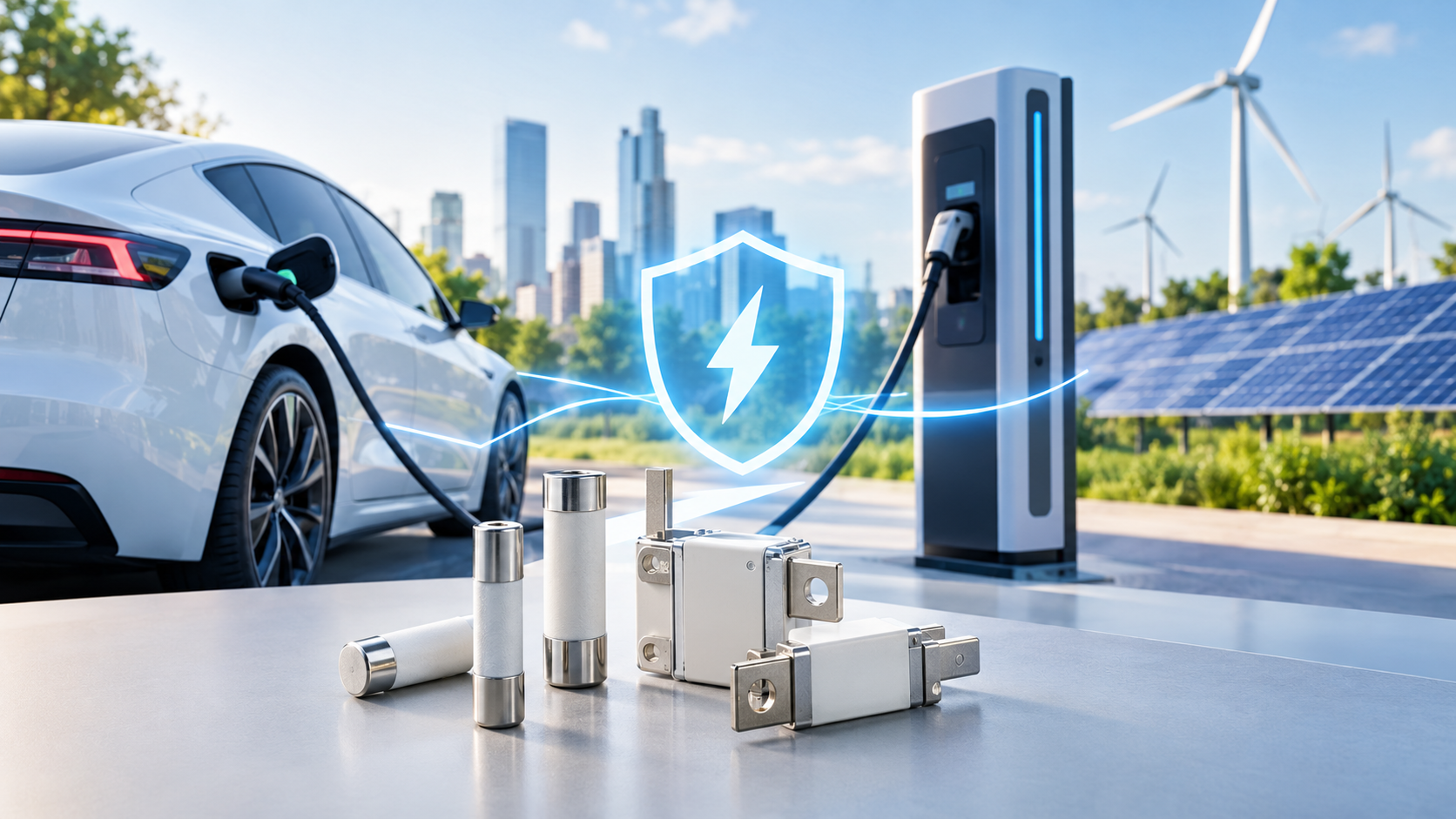
Fuses for EV Applications: Reliable Protection for Electric Mobility
Electric mobility is evolving rapidly. As electric vehicles, charging infrastructure, and electric drive systems become more widespread, the requirements for electrical safety continue to increase. Fuses for EV applications play an important role in protecting electrical systems against overcurrent and short circuits, helping ensure reliable operation and long-term system performance.
Whether used in electric vehicles, charging infrastructure, or other components of electric mobility, properly designed electrical protection is essential for safety, efficiency, and reliability.
Why Are Fuses Important for Electric Vehicles?
Electric vehicles and their charging infrastructure rely on powerful electrical systems. These systems must accommodate different operating conditions, high power demands, and changing environmental factors.
Electrical fuses are designed to interrupt current when specified overcurrent conditions occur. This helps limit potential damage to sensitive components, wiring, and other electrical equipment.
The main functions of fuses in EV applications include:
-
Overcurrent protection: Helps prevent damage caused by excessive current.
-
Short-circuit protection: Interrupts current flow when a short circuit occurs and the specified operating conditions are met.
-
Protection of electrical components: Helps protect wiring, power electronics, and other system components.
-
Improved operational safety: Proper protection contributes to the reliable operation of electrical systems.
-
Reduced risk of consequential damage: Limiting the effects of electrical faults can help minimize damage to surrounding components.
The actual level of protection depends on correct fuse selection, proper system design, and coordination with other protective measures.
Where Are Fuses Used in EV Applications?
Fuses for electric mobility are used across a variety of applications. Requirements vary depending on the intended use, electrical power levels, and operating conditions.
1. Electric Vehicles and Electric Drive Systems
Electric vehicles depend on the reliable interaction of multiple electrical components. Power supply systems, power transmission, and electric drive control all place significant demands on electrical safety.
Appropriate fuse protection helps manage fault currents and limit the effects of electrical disturbances. Key design considerations include operating voltage, expected current levels, potential short-circuit currents, and environmental conditions.
2. Electric Vehicle Charging Infrastructure
Charging stations and charging equipment must transfer electrical energy safely and reliably. Circuit protection and coordination between protective devices are essential elements of this process.
The required protection depends on factors such as charging power, electrical architecture, and applicable safety requirements. Proper design supports safe operation and can help reduce unplanned downtime.
3. Power Electronics and Auxiliary Electrical Systems
In addition to their drive systems, electric vehicles contain numerous other electrical and electronic components. These include systems responsible for energy conversion, control, and the supply of power to various vehicle functions.
Suitable electrical protection helps safeguard individual circuits according to their specific requirements. It is essential to coordinate fuse characteristics with the electrical properties and protection needs of the connected components.
What Should You Consider When Selecting Fuses for EV Applications?
Selecting the right fuses is an important part of designing and planning electrical systems for electric mobility. A universal solution is rarely appropriate because requirements can differ significantly between applications.
Consider the Electrical Specifications
Important selection criteria include the operating voltage range, normal operating current, and expected fault current. The fuse's behavior under different load conditions and temperatures must also be considered.
Fuse selection should always be based on the technical requirements of the complete electrical circuit.
Account for Environmental Conditions
Electric vehicles and charging systems may expose electrical components to temperature variations, vibration, moisture, and limited installation space.
In addition to electrical specifications, designers should therefore assess the mechanical and thermal conditions at the intended installation location.
Ensure Proper Protection Coordination
A fuse is part of a broader electrical protection strategy. It must work effectively with connected components and other protective measures within the system.
Important factors include breaking capacity, required disconnection conditions, and the thermal withstand capabilities of the components being protected. Proper coordination helps limit the consequences of electrical faults and reduce unnecessary interruptions.
Evaluate Reliability and Service Life
EV applications are often expected to operate reliably over extended periods and under changing operating conditions. The suitability of electrical protection components must therefore be carefully evaluated for each specific application.
Application-specific selection supports operational reliability and helps with maintenance, replacement, and lifecycle planning.
What Are the Benefits of a Well-Designed Electrical Protection Strategy?
A properly engineered fuse protection strategy offers several advantages for vehicle manufacturers, electrical system developers, and charging infrastructure providers.
Enhanced safety: Appropriate protection measures help limit the effects of overcurrent conditions and short circuits.
Greater reliability: Coordinated protection supports the stable operation of electrical components.
Reduced consequential damage: Proper design can help minimize the impact of electrical faults on other parts of a system.
Improved system planning: Clearly defined technical requirements make it easier to integrate protection components into existing and new electrical architectures.
Application-specific solutions: Considering individual operating conditions allows protection to be tailored to the requirements of each EV system.
These benefits depend on protection measures being properly designed, evaluated, and integrated into the overall system.
Fuses for EV Applications and the Future of Electric Mobility
As electric mobility advances, the demands placed on electrical systems continue to evolve. New vehicle concepts, higher-power charging infrastructure, and the increasing integration of electronic components make reliable protection strategies more important than ever.
The challenge is not simply choosing individual components. The key is achieving the right balance between electrical safety, system efficiency, reliability, and application-specific integration.
Companies developing EV systems or planning charging infrastructure should therefore consider electrical protection early in the design process. This allows protection requirements to be assessed systematically and suitable solutions to be incorporated into the overall electrical architecture.
Conclusion: Proper Protection Is Essential for Reliable EV Systems
Fuses for EV applications are an essential part of electrical safety in electric mobility. They help protect circuits against overcurrent conditions and short circuits while limiting the potential consequences of electrical faults.
Key selection factors include electrical specifications, environmental conditions, protection coordination, and the requirements of the intended application. Careful planning provides the foundation for reliable electric vehicles, safe charging infrastructure, and durable electrical systems.
By integrating electrical protection into the development process from the outset, manufacturers and system designers can establish the conditions needed for the safe and reliable operation of modern EV applications.



