
 bus-ele-ds-1014-fnq-r.pdf bus-ele-ds-1014-fnq-r.pdf | [Specifications and technical details on the Limitron FNQ-R time-delay Class CC fuses.] | 747 kB |
| bus-ele-ds-1015-ktk-r.pdf | [Specifications and technical details on the Limitron KTK-R fast-acting Class CC fuses.] | 676 kB |
| bus-ele-ds-1023-lp-cc.pdf | [Specifications and technical details on the Low-Peak Class CC LP-CC time-delay, current-limiting fuses.] | 776 kB |
| bus-ele-ds-10241-bcm-bmm-blocks.pdf | [Specifications for BCM (Class CC) and BMM (supplemental 13/32 x 1-1/2” /10x38) modular style fuse blocks with optional covers.] | 653 kB |
| bus-ele-ds-10430-chcc-chm-chpv.pdf | [Eaton Bussmann series CH DIN-Rail fuse holders are for UL Class CC and midget fuses, and IEC 10x38 fuses. They are available with and without indication in 1-, 2- and 3-pole IP20 finger-safe versions. A variety of access] | 2054 kB |
| bus-ele-pcn-fnq-r-ktk-r-class-cc-limitron-6-24-13.pdf | [Product change notice on fuse labelling for FNQ-R and KTK-R fuses.] | 81 kB |
| bus-ele-pcn-lp-cc-class-cc-low-peak-6-24-13.pdf | [Product change notice on fuse labelling for the LP-CC Class CC fuses] | 71 kB |
| bus-ele-pp-10119-fms-low-peak.pdf | [Low-Peak fuses provide ultimate protection in the Fuses Made Simple program. Low-Peak fuses include Class CC, J, L and RK1 UL branch circuit fuses.] | 359 kB |
| bus-ele-pp-10307-bcm-bmm-series-ferrule-fuse-blocks.pdf | [Features and benefits of the new Bussmann series modular ferrule fuse blocks that save assembly time, inventory and improve safety.] | 470 kB |
| eaton-bus-ele-pcn-bcm-bmm-manufacturing-update-04-15-2026.pdf | [Product notification for Bussmann series BCM & BMM manufacturing material resiliency update] | 264 kB |
| eaton-bussmann-eu-declaration-of-conformity-93-68-eec2000-us-en.pdf | [EU Declation of Conformity] | 144 kB |
Eaton Bussmann Series UL Branch Class CC Fuses: Reliable Overcurrent Protection for Industrial Applications
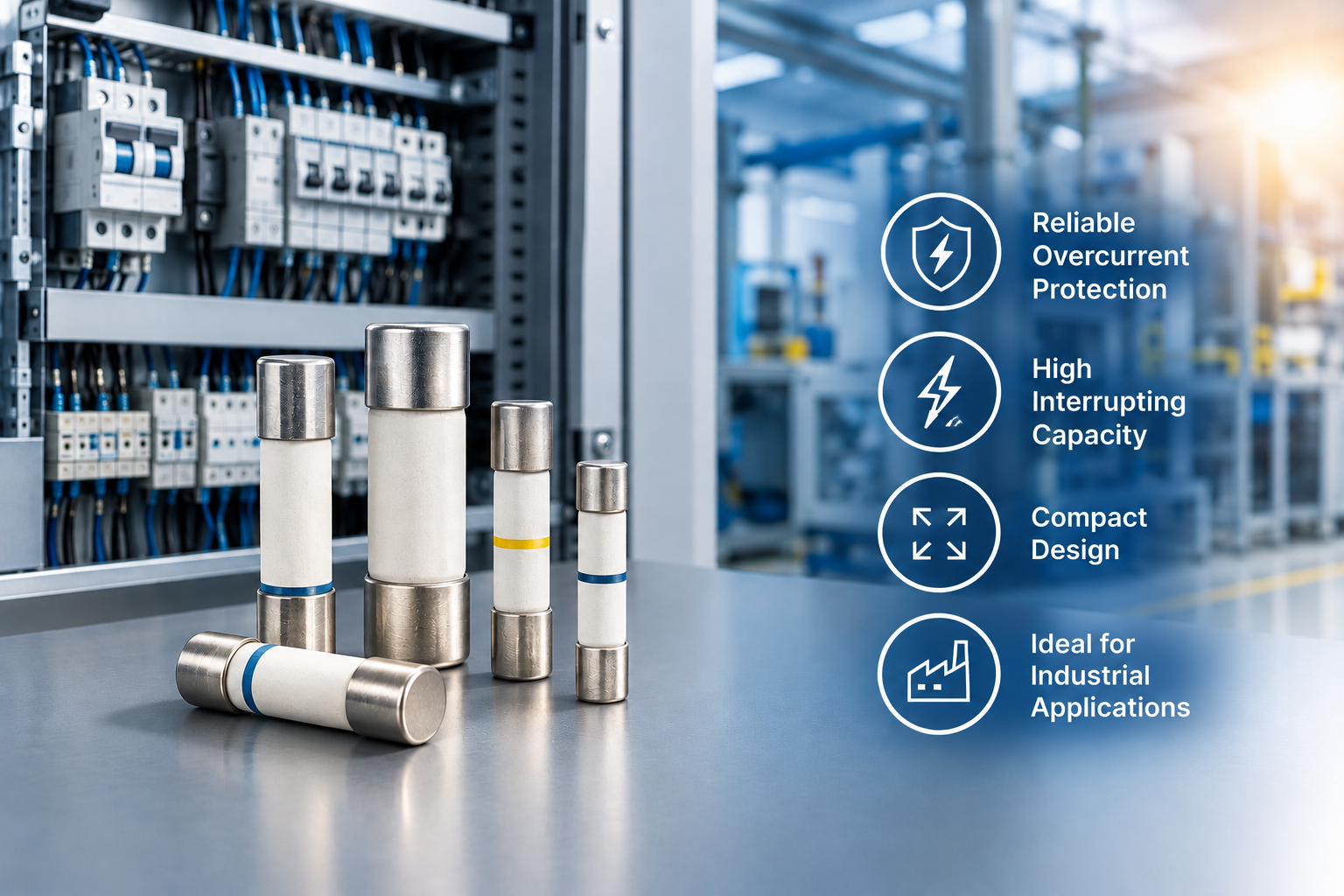
In industrial electrical systems, reliable overcurrent protection is essential for safeguarding equipment, reducing downtime and maintaining operational safety. Eaton Bussmann Series UL Branch Class CC Fuses provide high-performance circuit protection for industrial control panels, control circuits and other demanding electrical applications. Designed to combine compact dimensions with high interrupting capacity, these fuses help protect sensitive components against short circuits and overcurrent conditions.
With a voltage rating of up to 600 V and an interrupting rating of 200 kA, Eaton Bussmann Class CC fuses offer a dependable solution for applications that require effective branch circuit protection in a space-saving design.
What Are UL Branch Class CC Fuses?
Class CC fuses are designed for branch circuit and industrial control circuit protection. They are commonly used in electrical panels and control systems where dependable overcurrent protection, compact installation and high short-circuit interrupting capacity are important.
The Eaton Bussmann Series Class CC fuse range includes different fuse technologies to meet specific application requirements. Depending on the circuit and protection objective, users can select time-delay fuses, current-limiting fuses or fast-acting options.
Their compact form factor makes Class CC fuses particularly suitable for installations where panel space is limited but reliable electrical protection remains a priority.
Key Features and Benefits of Eaton Bussmann Class CC Fuses
1. High Interrupting Capacity of 200 kA
Eaton Bussmann Class CC fuses offer an interrupting rating of up to 200 kA at 600 V, according to the manufacturer's product information. This high rating makes them suitable for applications where potentially high short-circuit currents must be interrupted safely, provided the fuse is correctly selected and installed for the system.
2. Compact Design for Space-Saving Installations
The compact dimensions of Class CC fuses help optimise space in industrial control panels, electrical enclosures and machine control systems. Their small footprint can support more efficient panel layouts without compromising the importance of appropriate overcurrent protection.
3. Current-Limiting Protection
Class CC fuses combine high interrupting capacity with current-limiting characteristics. Under suitable fault conditions, current limitation can reduce the let-through energy reaching downstream components, helping minimise potential damage to electrical equipment.
4. Time-Delay and Fast-Acting Options
Different electrical applications require different fuse characteristics. The Eaton Bussmann Series offers options designed for specific protection needs:
-
Low-Peak LP-CC fuses: Designed for current-limiting protection and demanding industrial applications.
-
FNQ-R fuses: Time-delay options suitable for control transformers and similar control circuit applications.
-
KTK-R Limitron fuses: Fast-acting options for specific circuits, including lighting protection.
Selecting the correct fuse characteristic helps align the protection device with the electrical load and the application's operating requirements.
5. Class CC Rejection Feature
Class CC fuse systems incorporate a rejection feature designed to prevent the installation of certain lower-rated supplementary fuses when used with compatible fuse holders. This helps reduce the risk of incorrect fuse substitution and supports more consistent circuit protection.
6. Selective Coordination Options
For suitable Low-Peak fuse combinations, Eaton highlights a selective coordination ratio of 2:1 within the product family. When the system is correctly designed, selective coordination can help isolate a fault to the affected circuit rather than unnecessarily interrupting power to other parts of the installation.
Typical Applications of Class CC Fuses
Eaton Bussmann Series UL Branch Class CC Fuses can be used in a range of industrial and electrical applications, depending on the selected fuse type and its ratings.
Common application areas include:
-
Industrial control panels: Protection of control circuits and electrical components.
-
Control transformers: Time-delay fuse options for suitable transformer and control circuit applications.
-
Machine control systems: Overcurrent protection for appropriately rated control and branch circuits.
-
Lighting circuits: Fast-acting fuse options for suitable lighting applications.
-
Relays and auxiliary circuits: Protection of smaller electrical circuits where precise fuse selection is important.
-
Industrial electrical enclosures: Compact fuse solutions for space-conscious panel designs.
The appropriate fuse must always be selected according to the circuit voltage, available fault current, load characteristics, applicable standards and manufacturer recommendations.
How to Choose the Right Eaton Bussmann Class CC Fuse
Choosing the correct fuse is essential for effective overcurrent protection. Before selecting an Eaton Bussmann Class CC fuse, consider the following factors:
Voltage rating: Ensure that the fuse is suitable for the system voltage and the type of circuit being protected.
Current rating: Select a fuse rating appropriate for the load, conductor protection requirements and applicable electrical regulations.
Interrupting rating: Confirm that the fuse can safely interrupt the prospective short-circuit current available at the installation point.
Fuse operating characteristics: Determine whether a time-delay, current-limiting or fast-acting fuse is appropriate for the application.
Fuse holder compatibility: Verify that the fuse and holder are compatible and that the Class CC rejection feature is correctly implemented where required.
Coordination requirements: Consider the relationship between upstream and downstream protective devices to help achieve the desired selectivity.
For critical applications, consult the manufacturer's technical documentation and applicable electrical standards before finalising the selection.
Why Choose Eaton Bussmann Series Class CC Fuses?
Eaton Bussmann is an established name in electrical protection technology. Its Class CC fuse portfolio combines compact construction, high interrupting capacity and application-specific fuse characteristics to address a variety of industrial protection requirements.
For engineers, panel builders, electrical contractors and industrial maintenance teams, these features can help simplify fuse selection, optimise installation space and support reliable protection strategies.
By choosing the appropriate Class CC fuse for each circuit, users can build electrical systems that are better prepared to manage overcurrent and short-circuit events while meeting their specific design requirements.
Conclusion: Compact, High-Performance Circuit Protection
Eaton Bussmann Series UL Branch Class CC Fuses are designed to provide effective overcurrent protection in compact industrial installations. With ratings of up to 600 V and 200 kA interrupting capacity, alongside time-delay and fast-acting product options, the range offers solutions for different branch circuit and control circuit applications.
Whether you are designing a new industrial control panel, upgrading an existing electrical installation or selecting replacement fuses, understanding the required ratings and operating characteristics is essential for achieving dependable protection.
Explore the complete Eaton Bussmann Series Class CC fuse range to find the right solution for your application.



